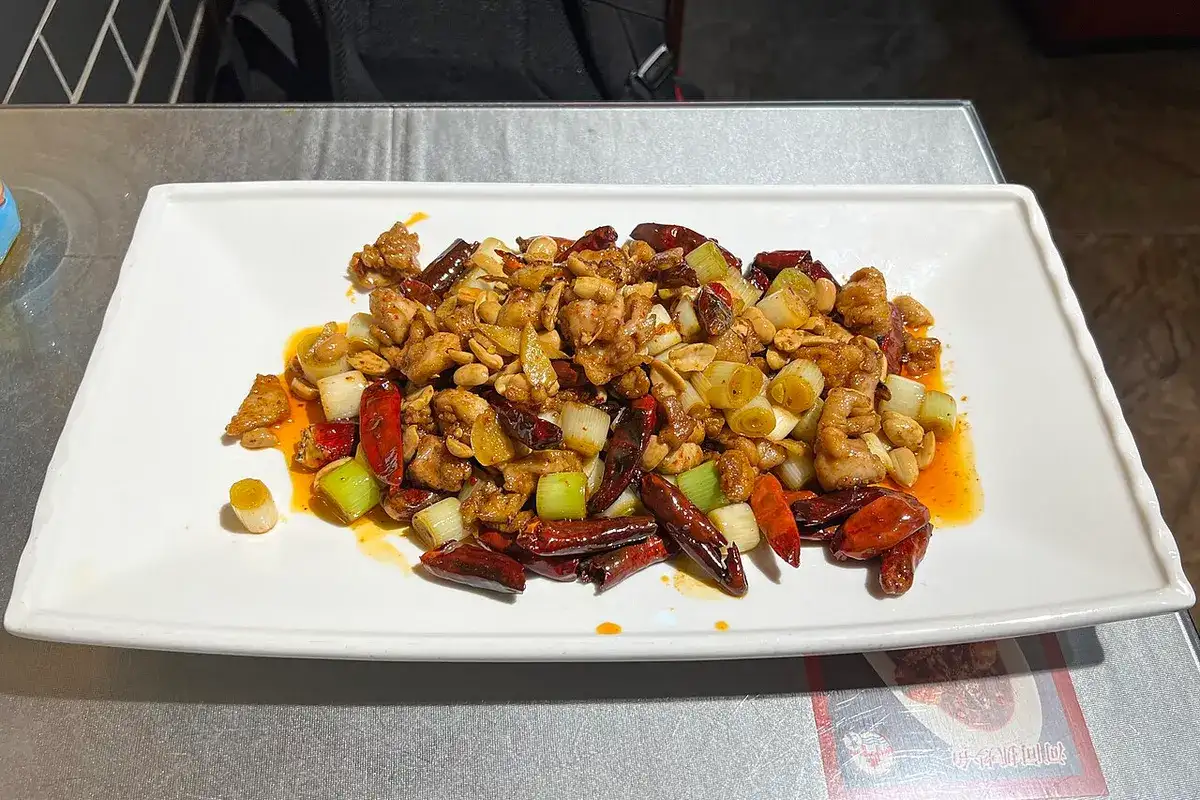
 ¥28-58★ Must try
宫保鸡丁
Kung Pao Chicken
Spicy宫保鸡丁 · gōng bǎo jī dīng
Crispy chicken, peanuts and dried chilies in a sweet-sour-savory glaze.
Tip:Order with rice — the glossy sauce is made for it.
Spicy
Your Chinese menu
One menu at a time — read the dish, know the price, and point with confidence in any Chinese restaurant.
0
dishes decoded
0
food cities
0
regional cuisines
0
table phrases & words
Six food cities, their must-eats, prices and the phrase to order them.
北京 · Beijing · 160-280 RMB/day
Say it at the table
Type an English name, Chinese characters, pinyin, or an ingredient. Filter by diet and region, then add dishes to a point-to-order card.
Most ordered
¥28-58★ Must try宫保鸡丁 · gōng bǎo jī dīng
Crispy chicken, peanuts and dried chilies in a sweet-sour-savory glaze.
Tip:Order with rice — the glossy sauce is made for it.
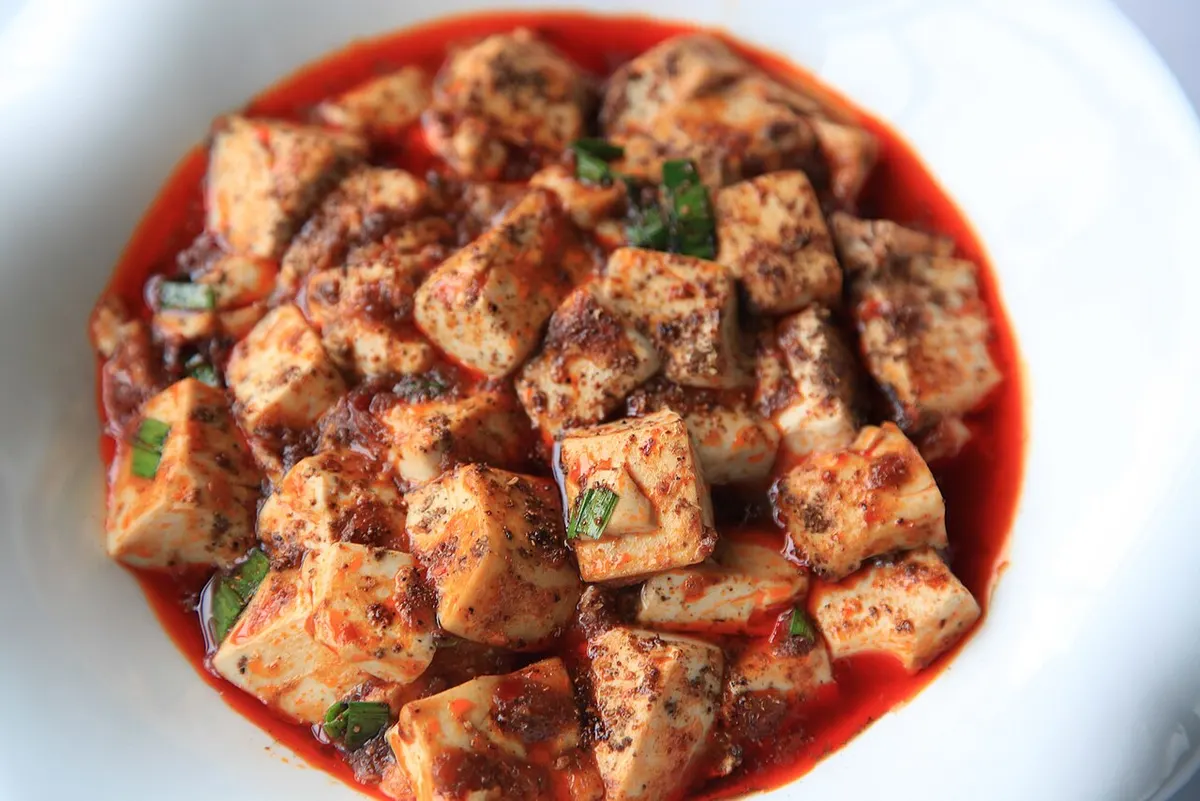 ¥18-42★ Must try
麻婆豆腐 · má pó dòu fu
Silken tofu in fiery, numbing chili-bean sauce with minced pork.
Tip:Vegetarians: ask 'bú yào ròu' to skip the pork.
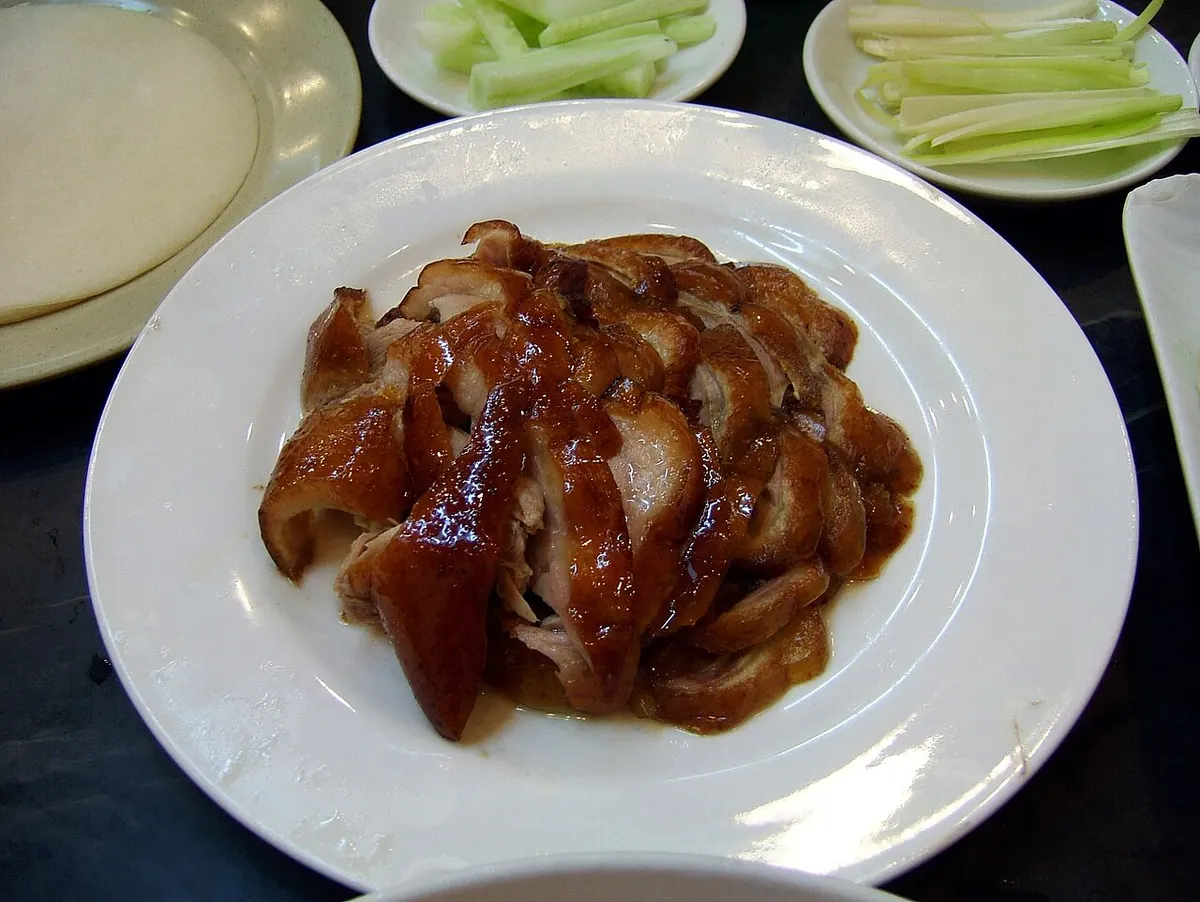 ¥168-398★ Must try
北京烤鸭 · běi jīng kǎo yā
Roast duck with crackling skin, carved tableside and wrapped in pancakes.
Tip:A half duck feeds two; pancakes and sauce come with it.
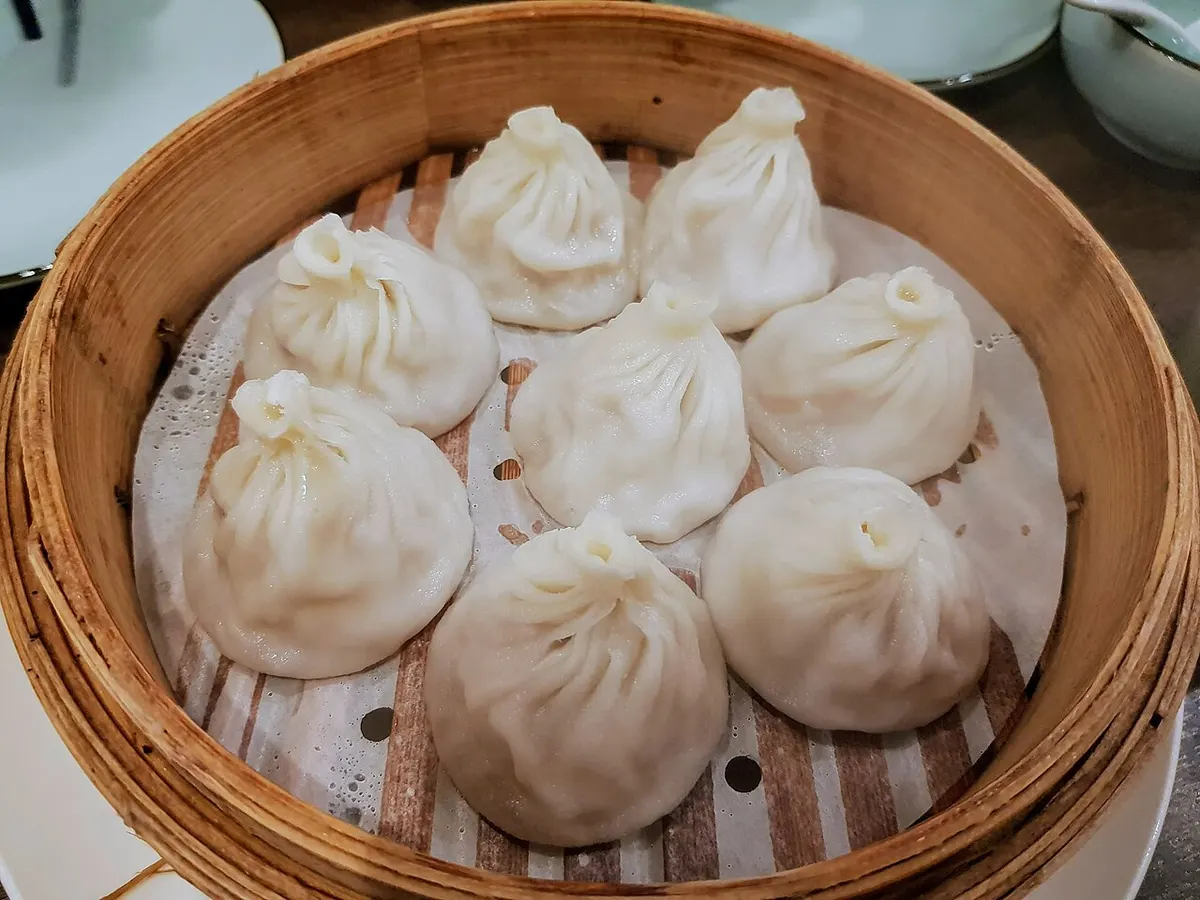 ¥12-38★ Must try
小笼包 · xiǎo lóng bāo
Steamed soup dumplings with hot pork broth inside thin skins.
Tip:Bite a hole, sip the broth, then dip in vinegar.
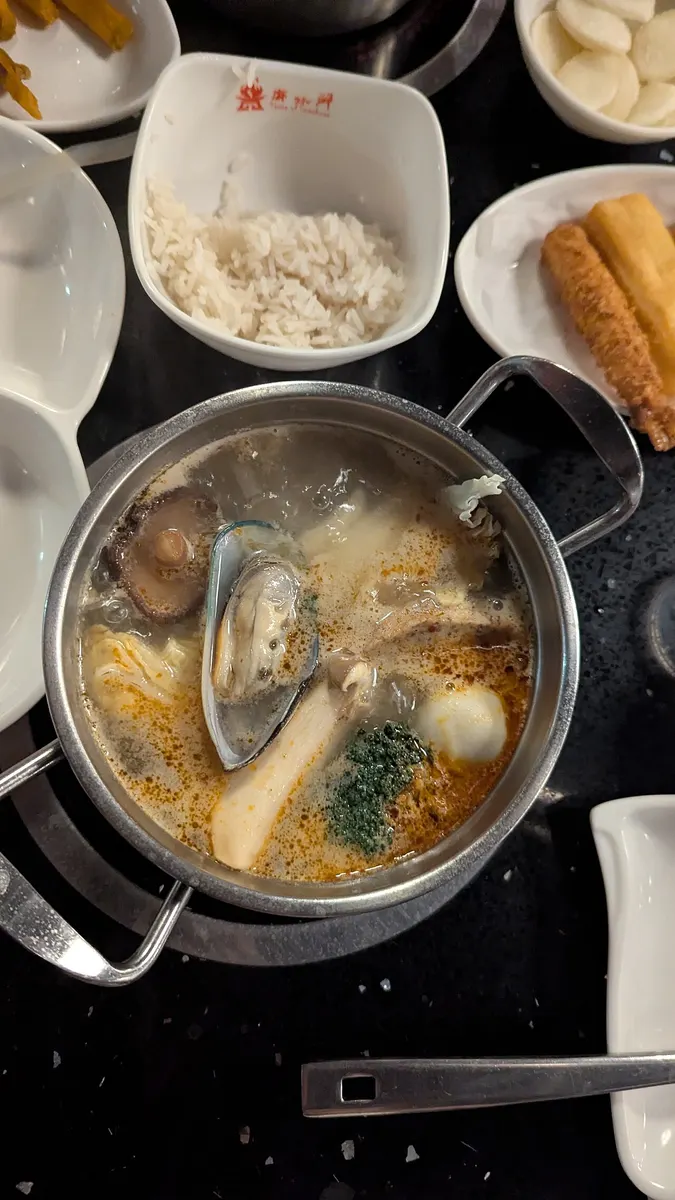 ¥88-188 per person★ Must try
四川火锅 · sì chuān huǒ guō
A bubbling chili-oil pot where you cook meat and veg at the table.
Tip:First time? Order a yuānyāng pot — half spicy, half mild.
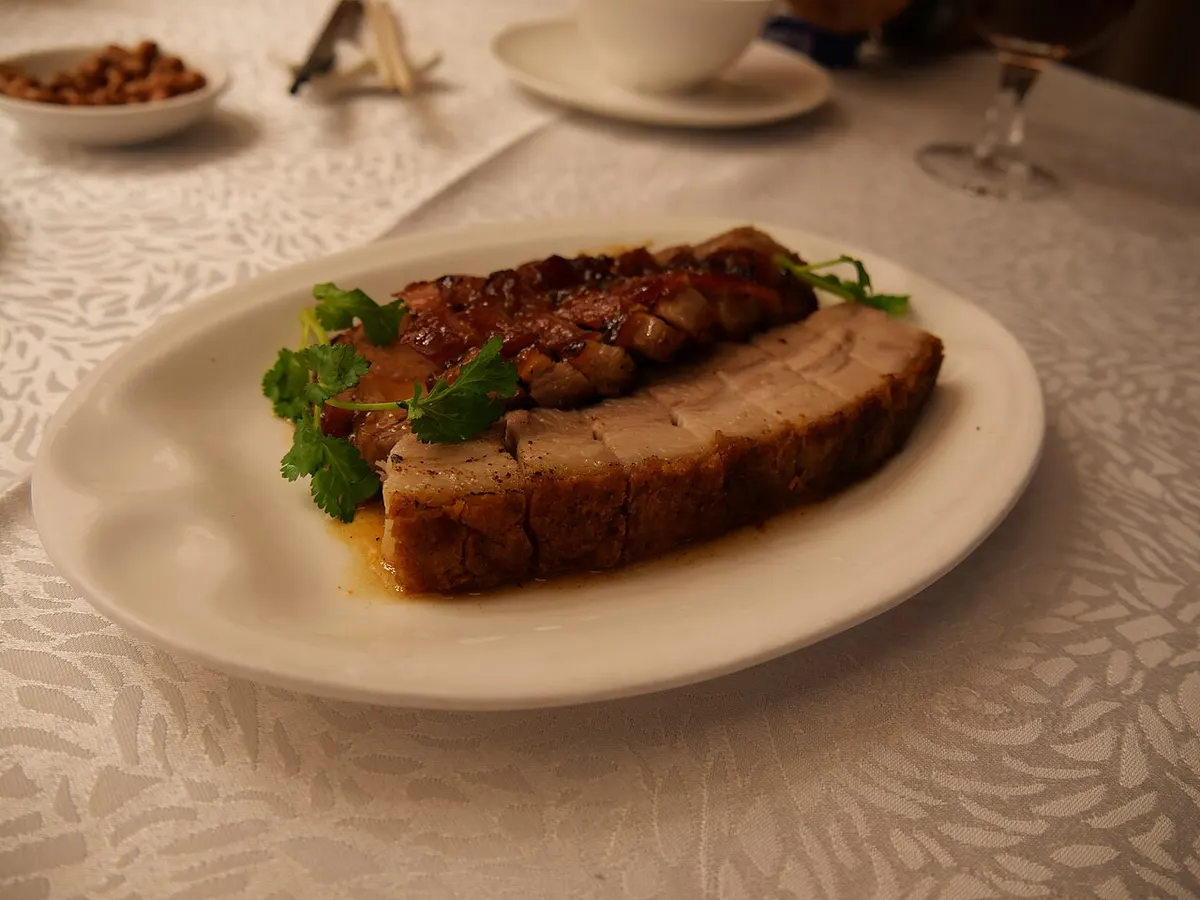 ¥28-68★ Must try
叉烧 · chā shāo
Cantonese barbecued pork with a sticky honey-soy glaze.
Tip:Try it over rice for a fast, budget meal.
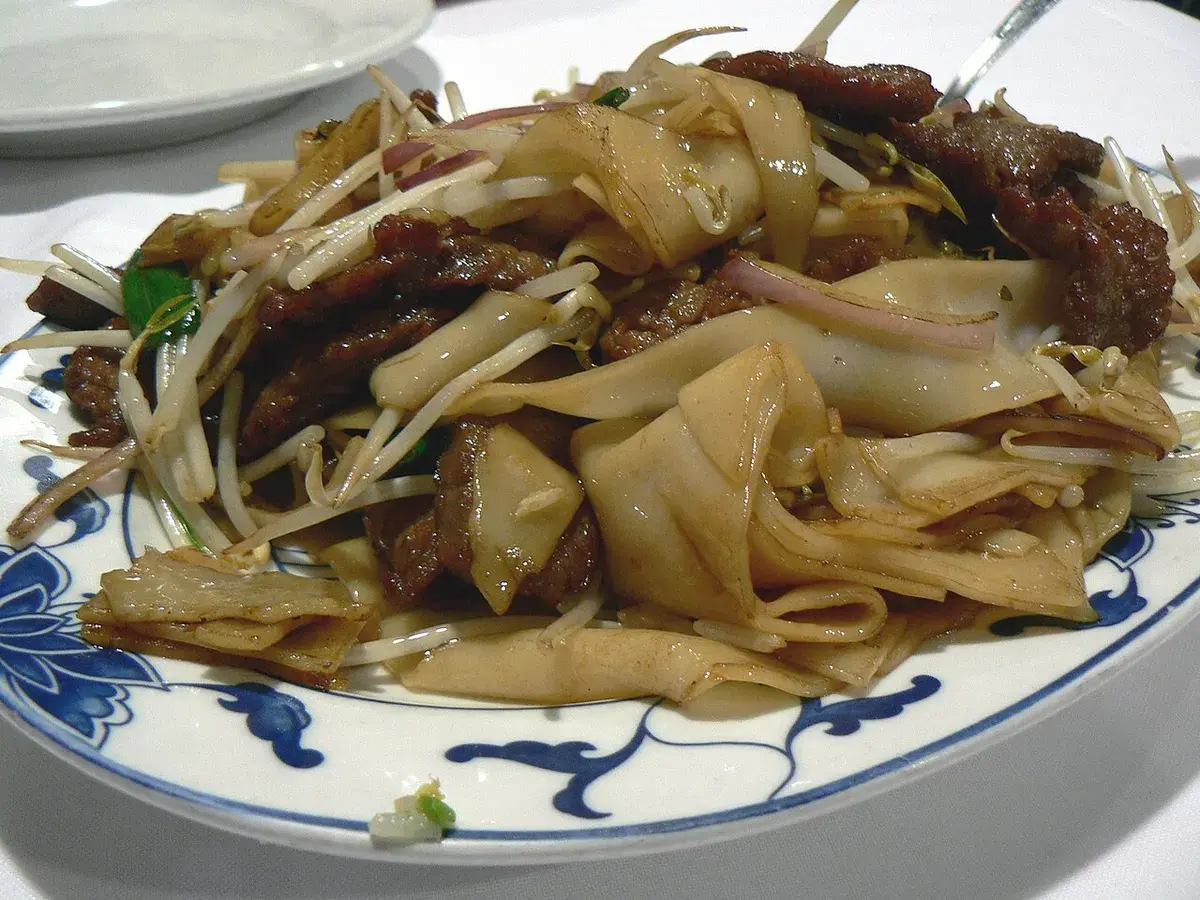 ¥25-58
干炒牛河 · gān chǎo niú hé
Wide rice noodles stir-fried with beef and sprouts over high heat.
Tip:Eat at once — the smoky wok aroma fades fast.
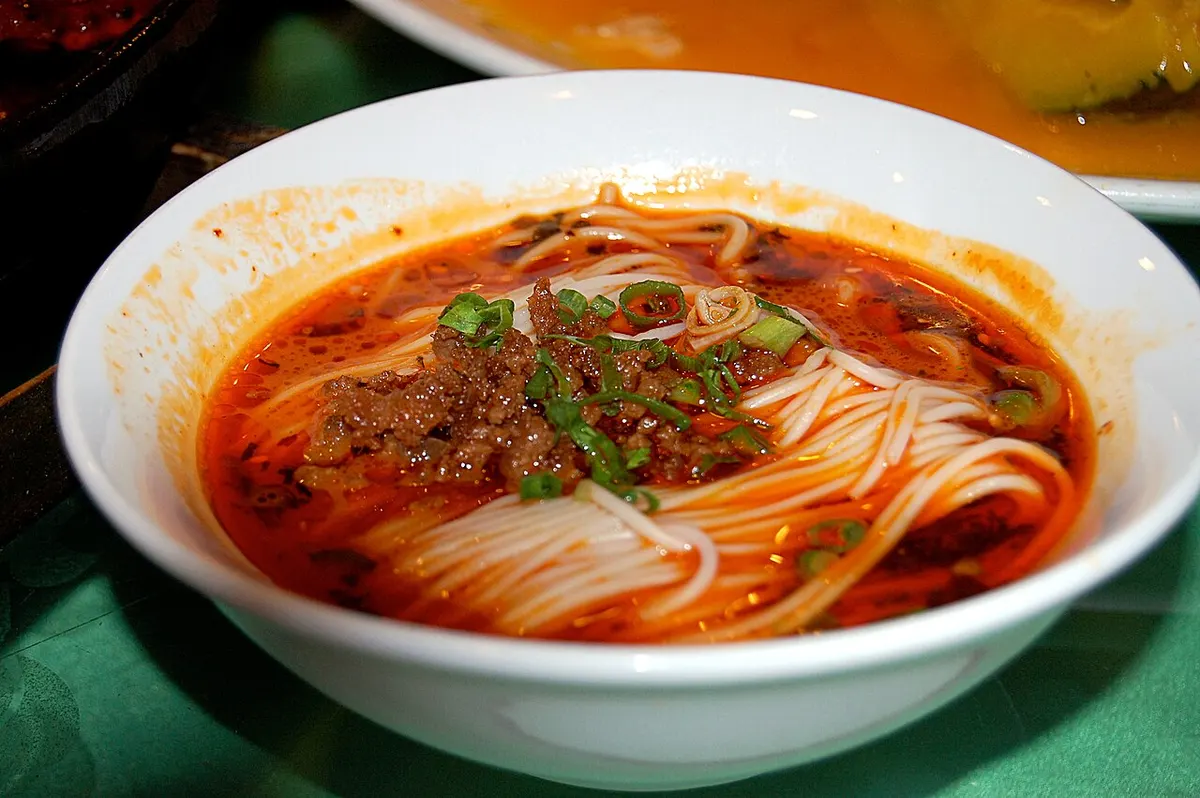 ¥16-36★ Must try
担担面 · dàn dàn miàn
Wheat noodles under chili oil, sesame paste and minced pork.
Tip:Stir well — the chili oil settles at the bottom.
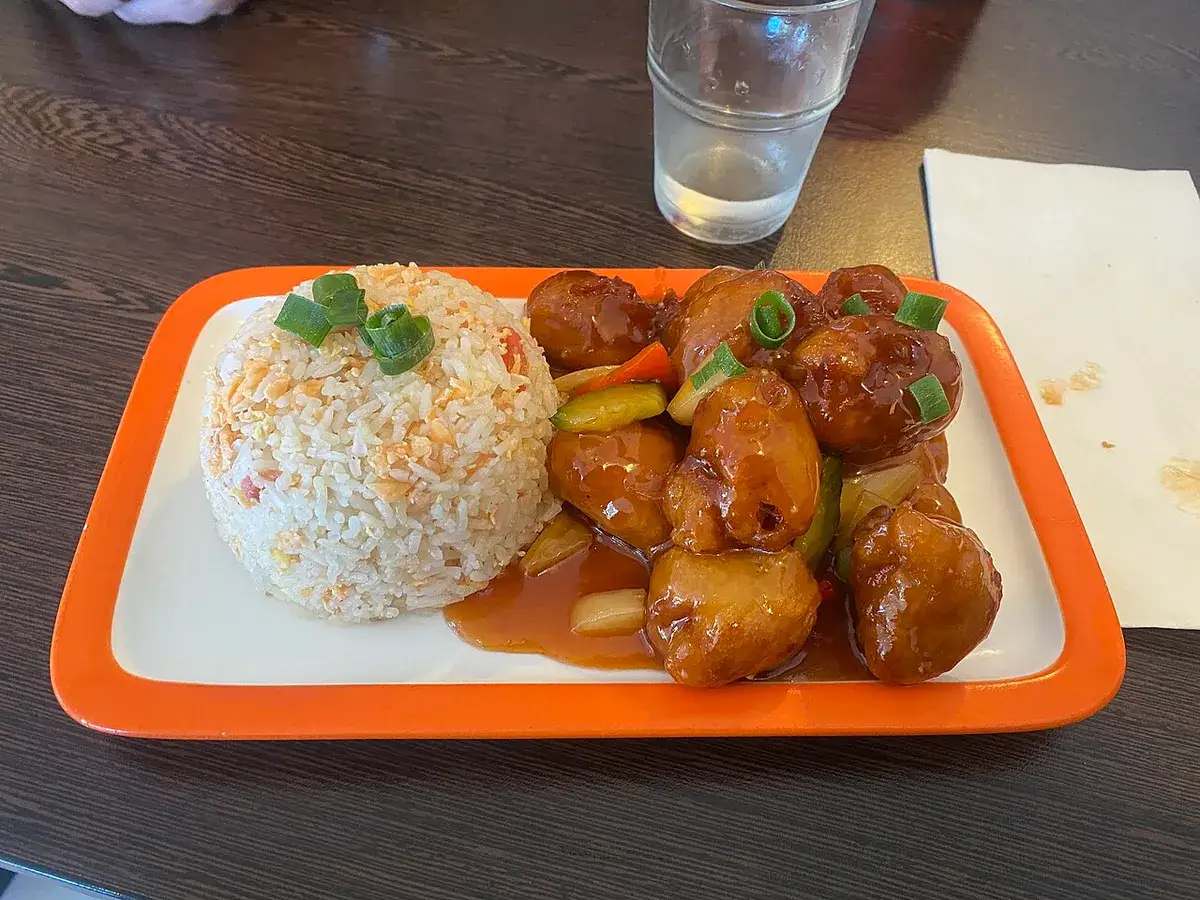 ¥28-58
咕噜肉 · gū lu ròu
Crispy pork in bright sweet-and-sour sauce with pineapple.
Tip:Kid-approved — the safest sweet dish on the menu.
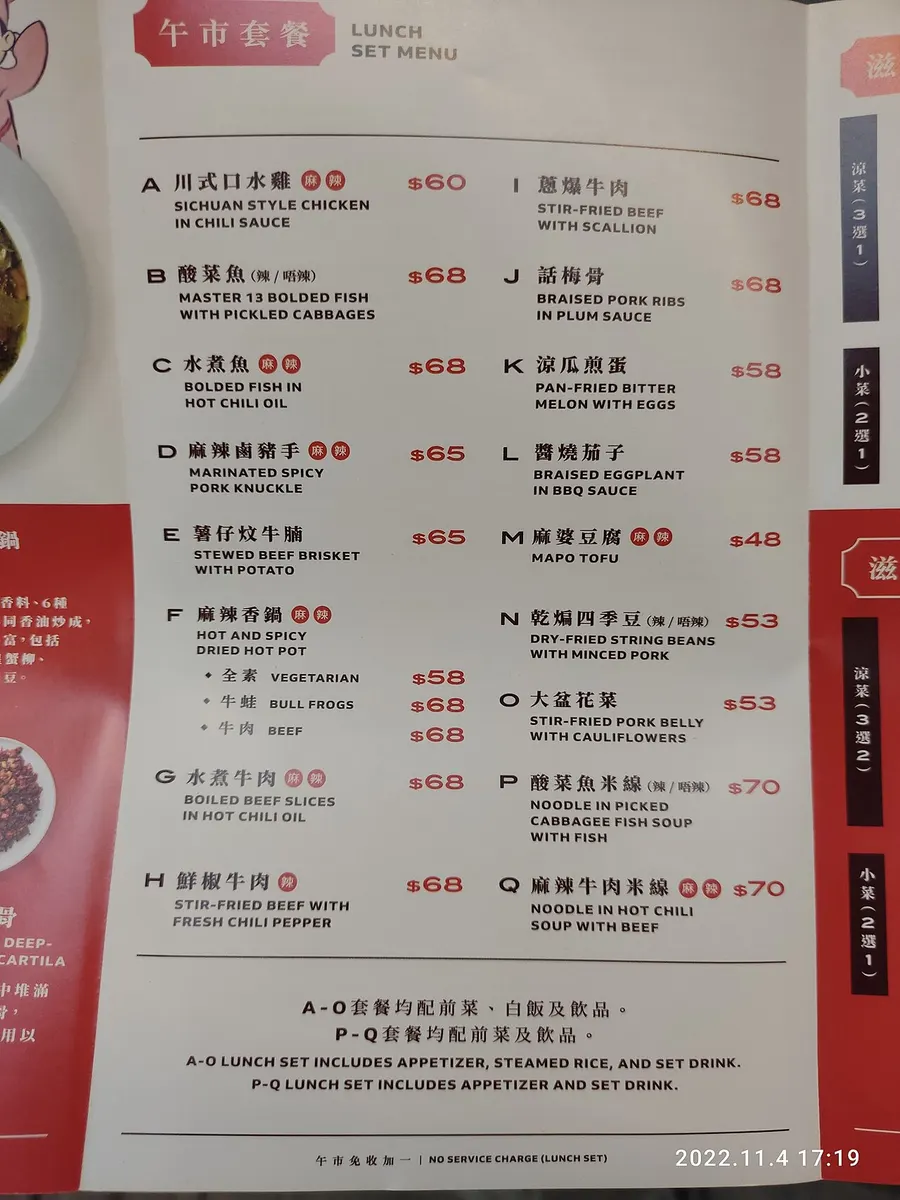 ¥58-128
水煮鱼 · shuǐ zhǔ yú
Tender fish poached in fiery chili-oil and peppercorn broth.
Tip:Fish is tender, oil is fiery — pace with rice.
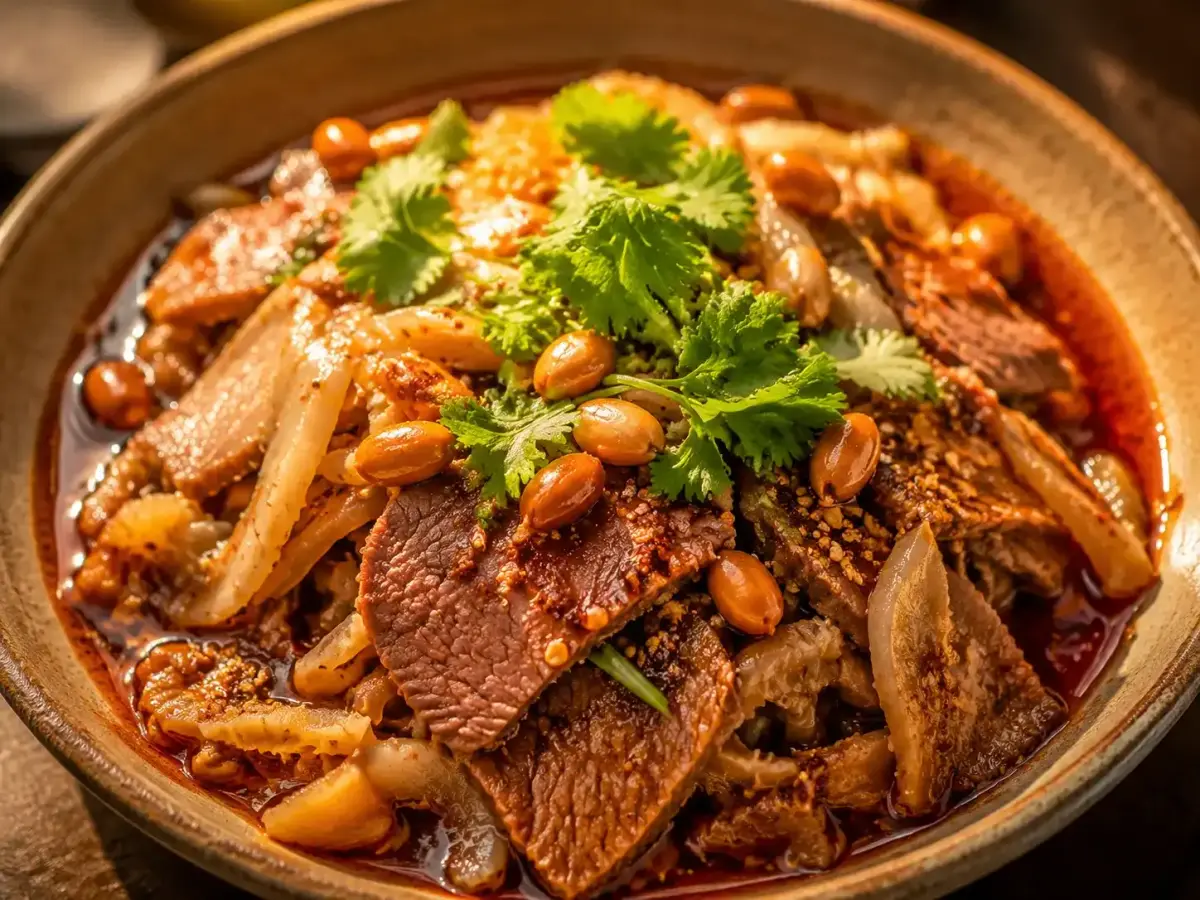 ¥25-48
夫妻肺片 · fū qī fèi piàn
Sliced beef and offal in chili oil and numbing peppercorn.
Tip:For adventurous eaters — beef offal in chili oil.
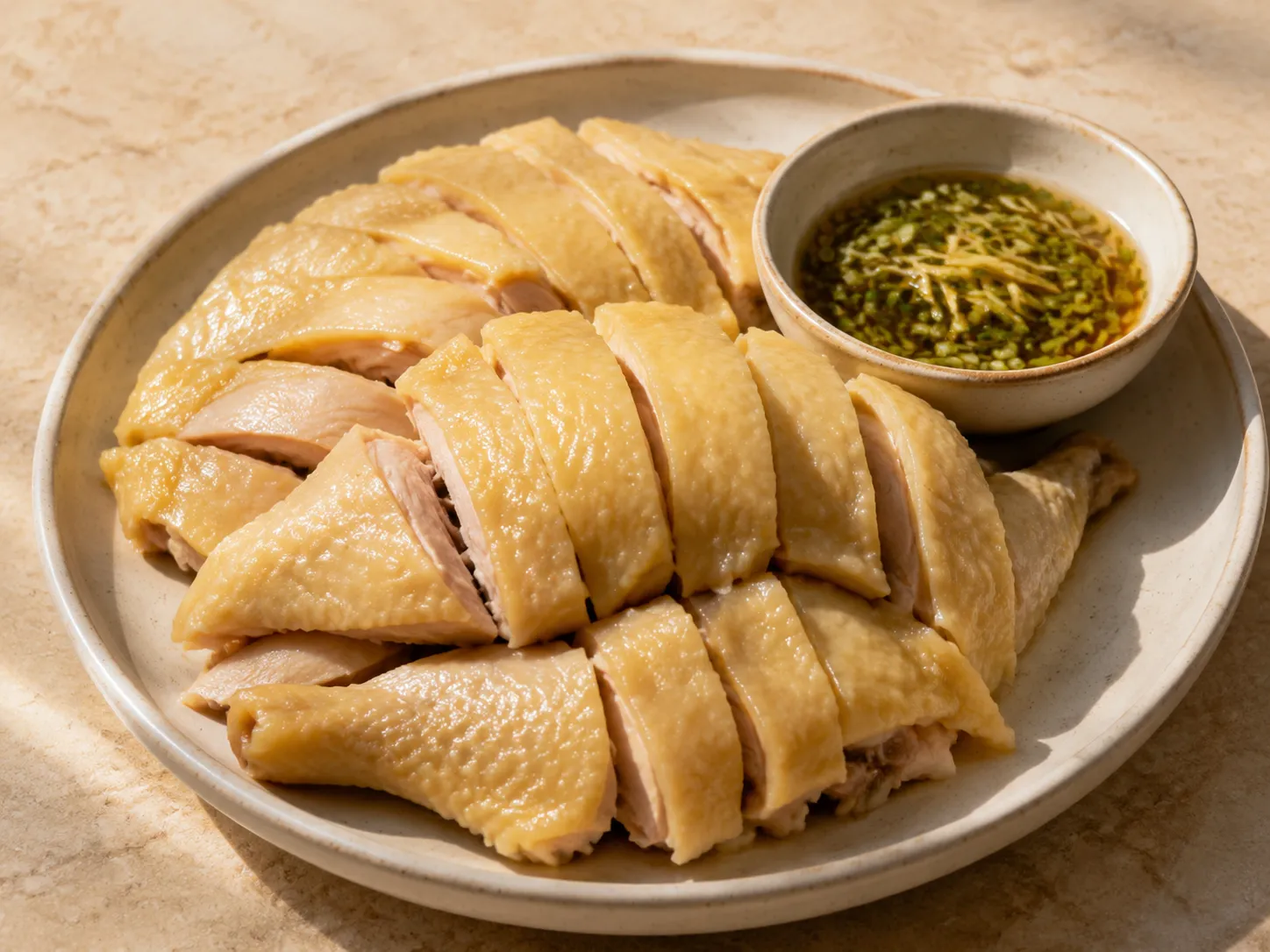 ¥35-68
白切鸡 · bái qiè jī
Cantonese poached chicken with ginger-scallion dip.
Tip:Clean and mild — use the dipping sauce.
¥28-58★ Must try宫保鸡丁 · gōng bǎo jī dīng
Crispy chicken, peanuts and dried chilies in a sweet-sour-savory glaze.
Tip:Order with rice — the glossy sauce is made for it.
¥18-42★ Must try麻婆豆腐 · má pó dòu fu
Silken tofu in fiery, numbing chili-bean sauce with minced pork.
Tip:Vegetarians: ask 'bú yào ròu' to skip the pork.
¥168-398★ Must try北京烤鸭 · běi jīng kǎo yā
Roast duck with crackling skin, carved tableside and wrapped in pancakes.
Tip:A half duck feeds two; pancakes and sauce come with it.
¥28-68★ Must try叉烧 · chā shāo
Cantonese barbecued pork with a sticky honey-soy glaze.
Tip:Try it over rice for a fast, budget meal.
¥28-58咕噜肉 · gū lu ròu
Crispy pork in bright sweet-and-sour sauce with pineapple.
Tip:Kid-approved — the safest sweet dish on the menu.
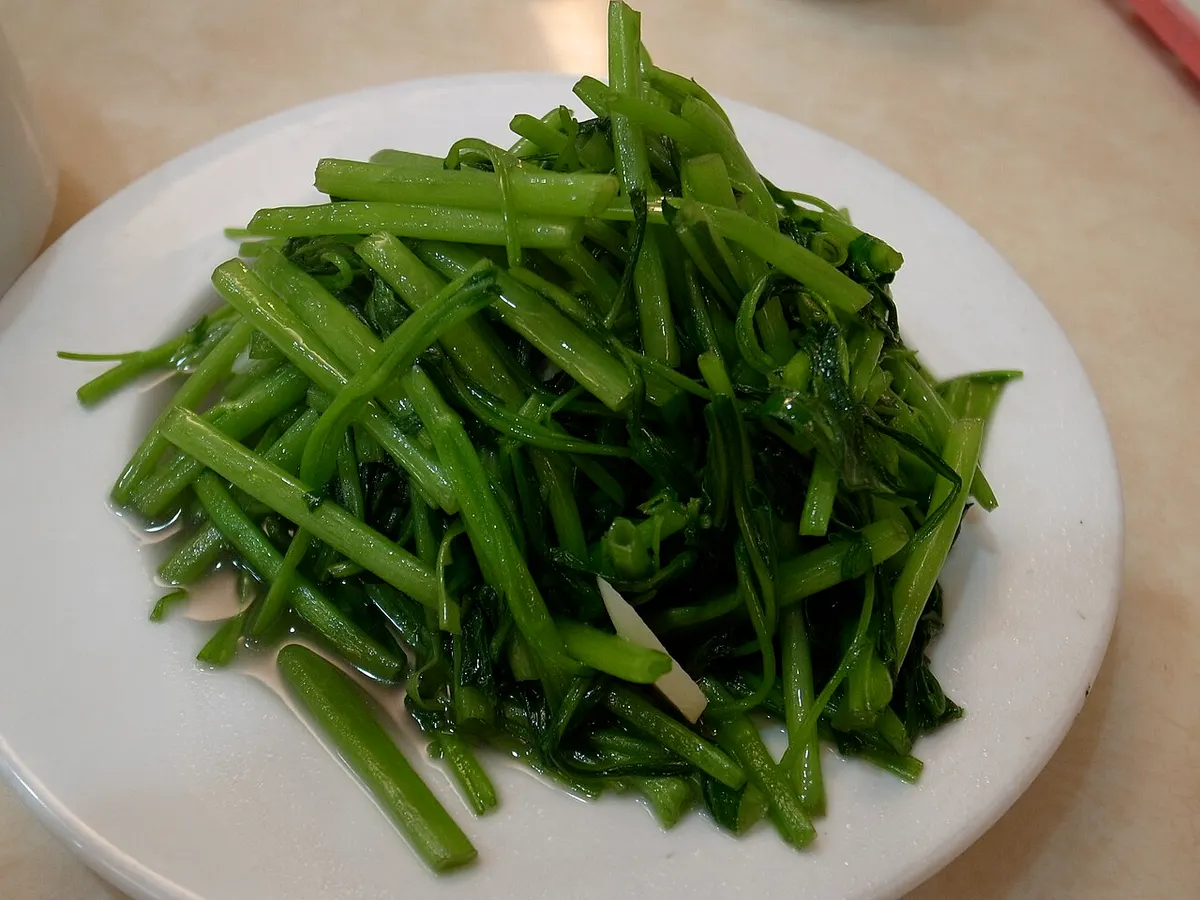 ¥15-32
清炒时蔬 · qīng chǎo shí shū
Seasonal greens flash-fried with garlic — simple and vegetarian.
Tip:Order one with every meal for balance.
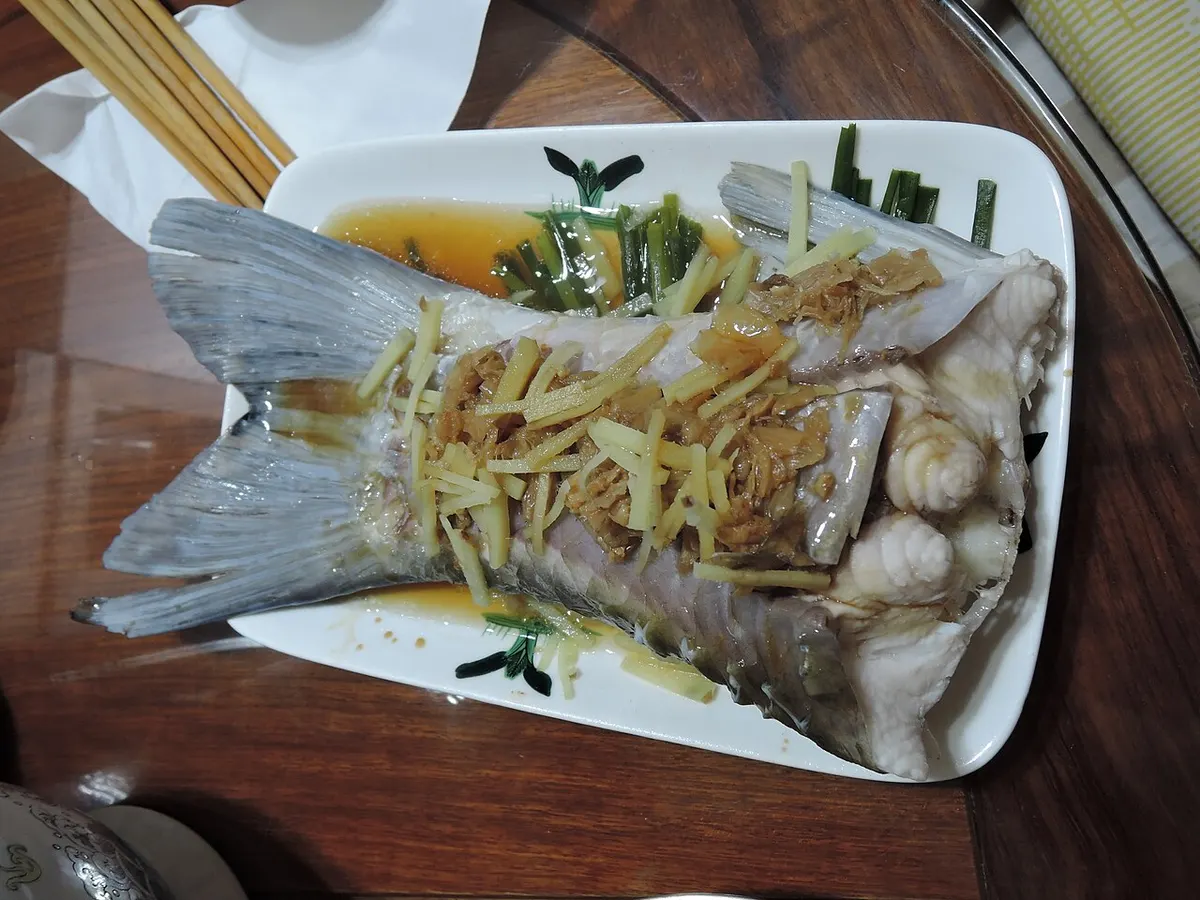 ¥68-168
清蒸鱼 · qīng zhēng yú
Whole fish steamed with ginger, scallion and hot oil.
Tip:Order whole — the ginger-scallion version is mildest.
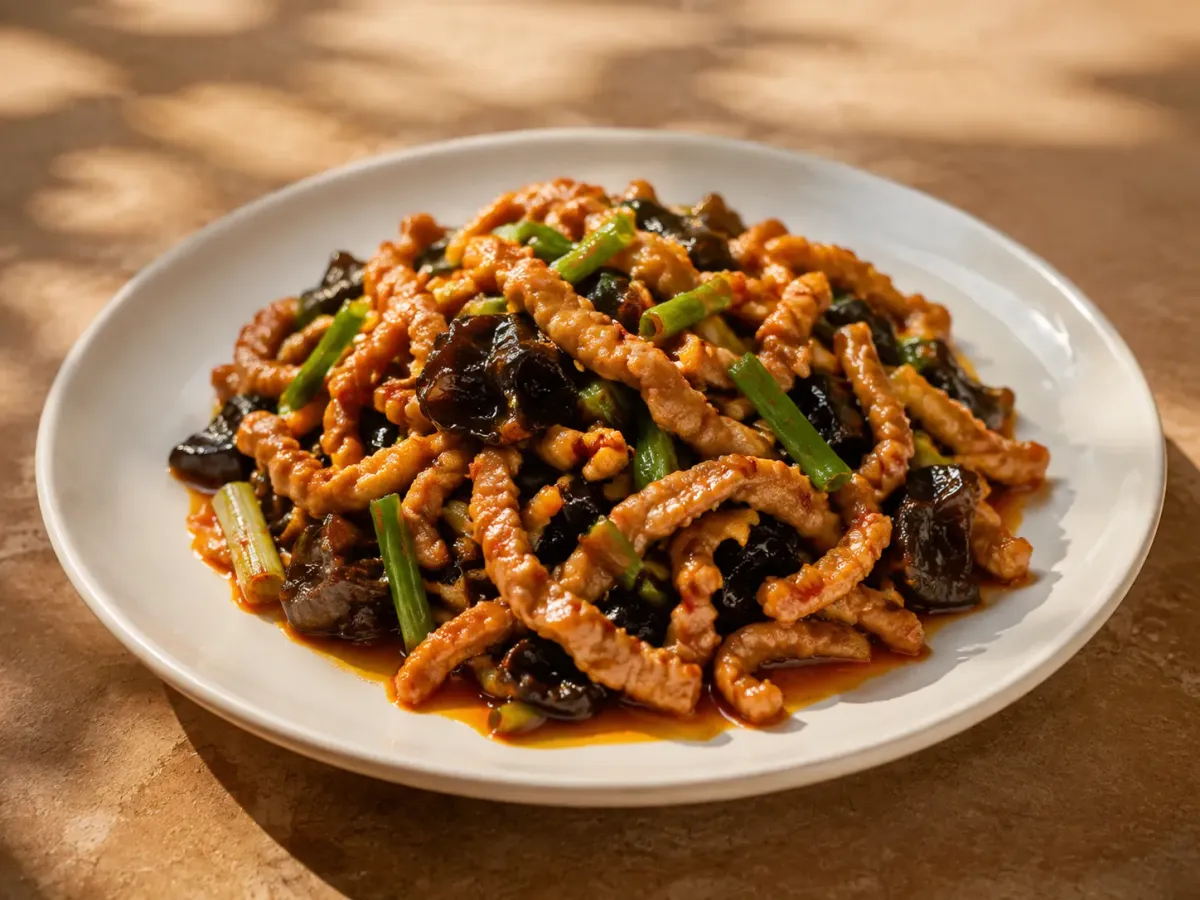 ¥22-45
鱼香肉丝 · yú xiāng ròu sī
Shredded pork in glossy garlic-chili sauce. No fish, despite the name.
Tip:Safe to order — despite the name, no fish.
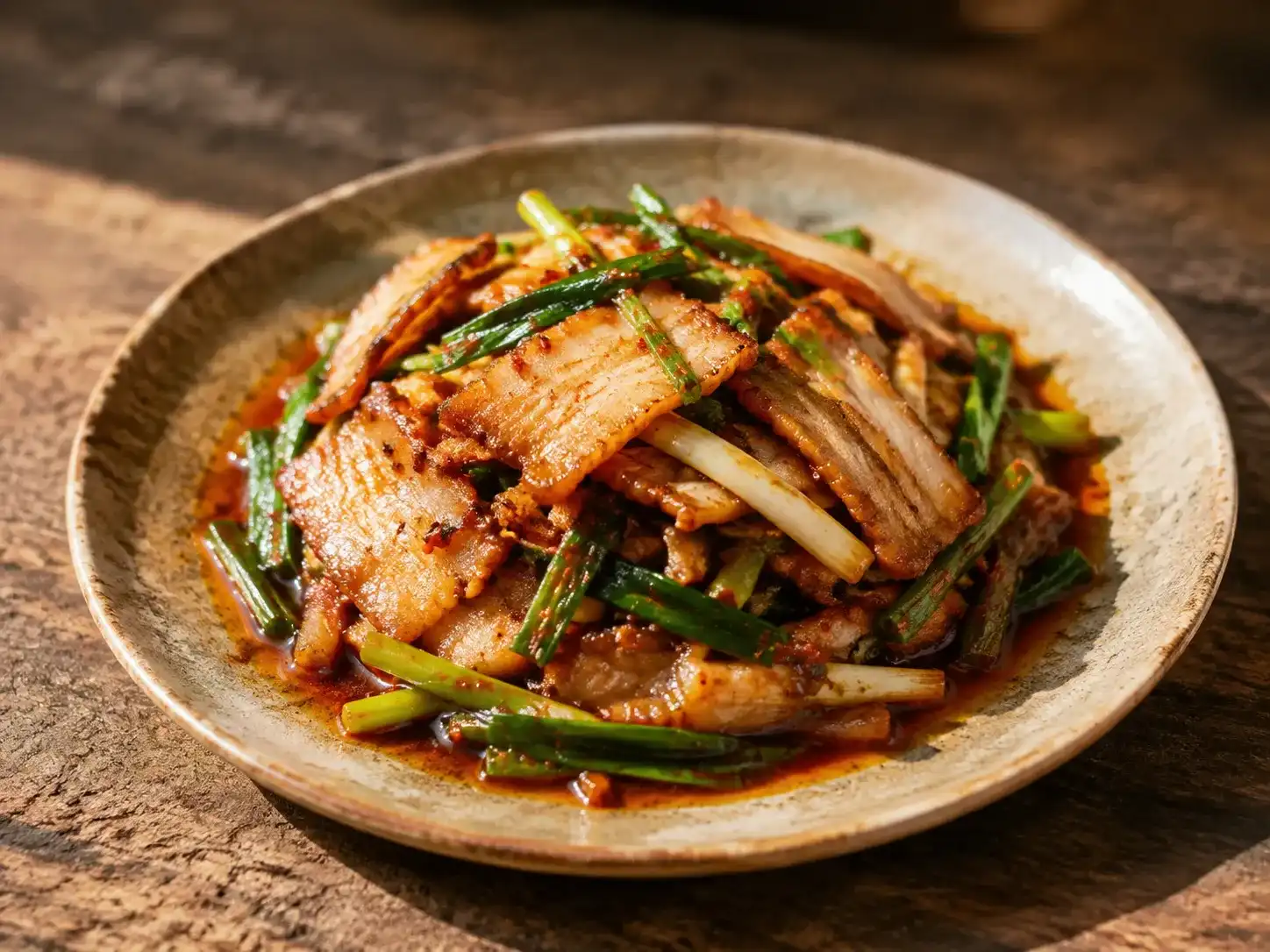 ¥28-52
回锅肉 · huí guō ròu
Pork belly boiled, sliced, then stir-fried with leeks.
Tip:Rich and smoky — pair with a vegetable.
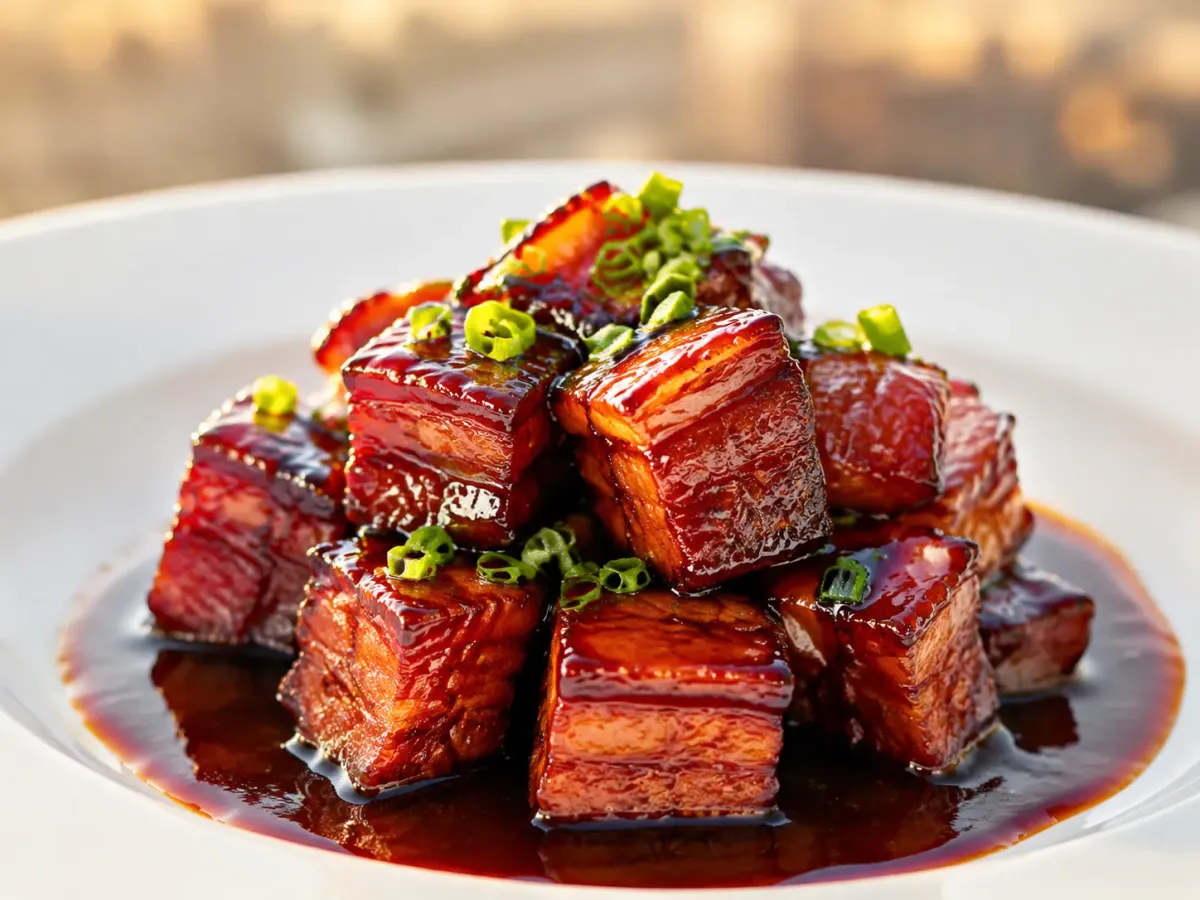 ¥32-58
红烧肉 · hóng shāo ròu
Pork belly braised in soy, rock sugar and star anise.
Tip:Sweet-savory and rich — plenty for two.
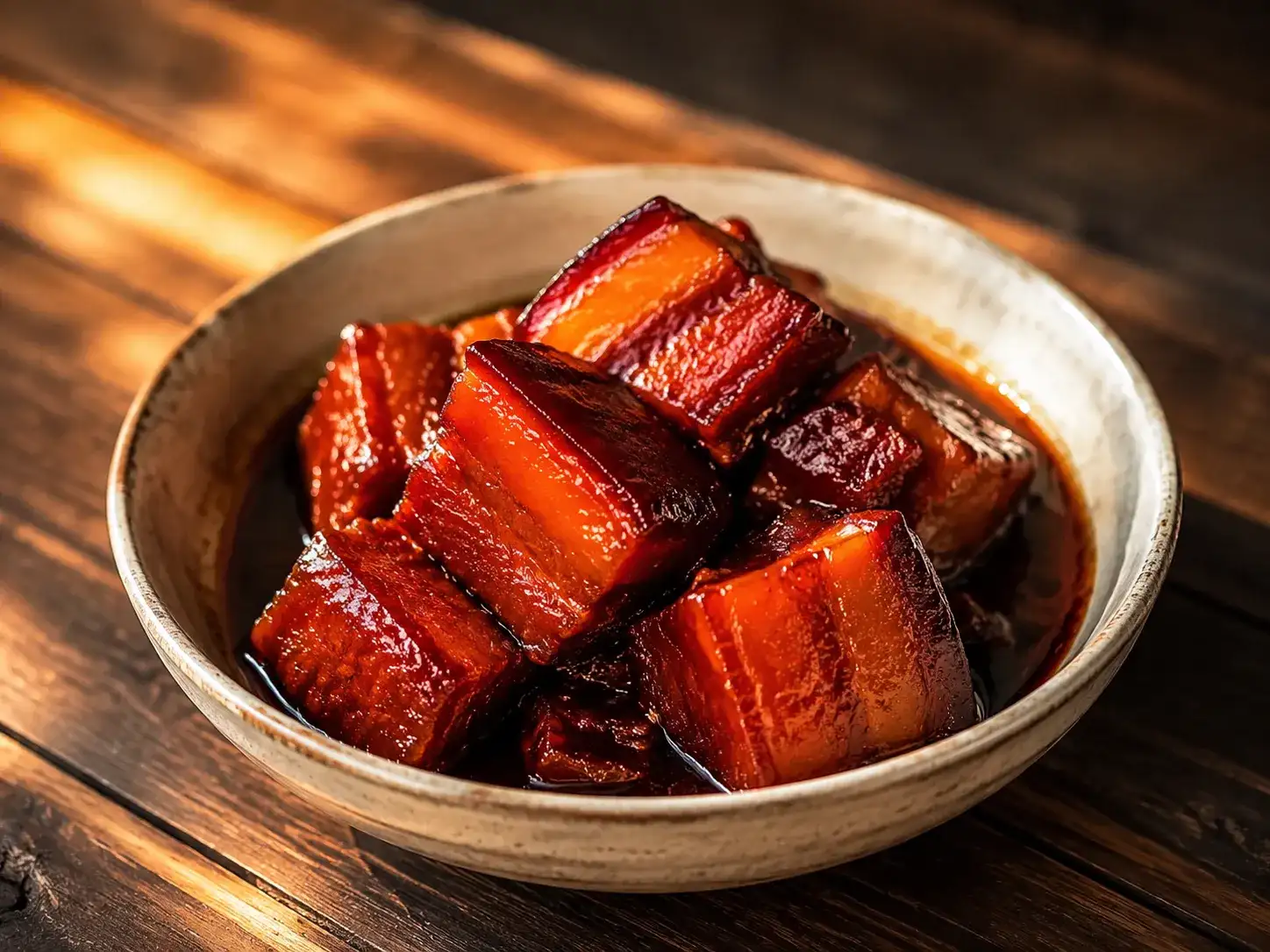 ¥38-68
东坡肉 · dōng pō ròu
Hangzhou pork belly slow-cooked in wine and soy until tender.
Tip:Melt-in-the-mouth — order greens to balance.
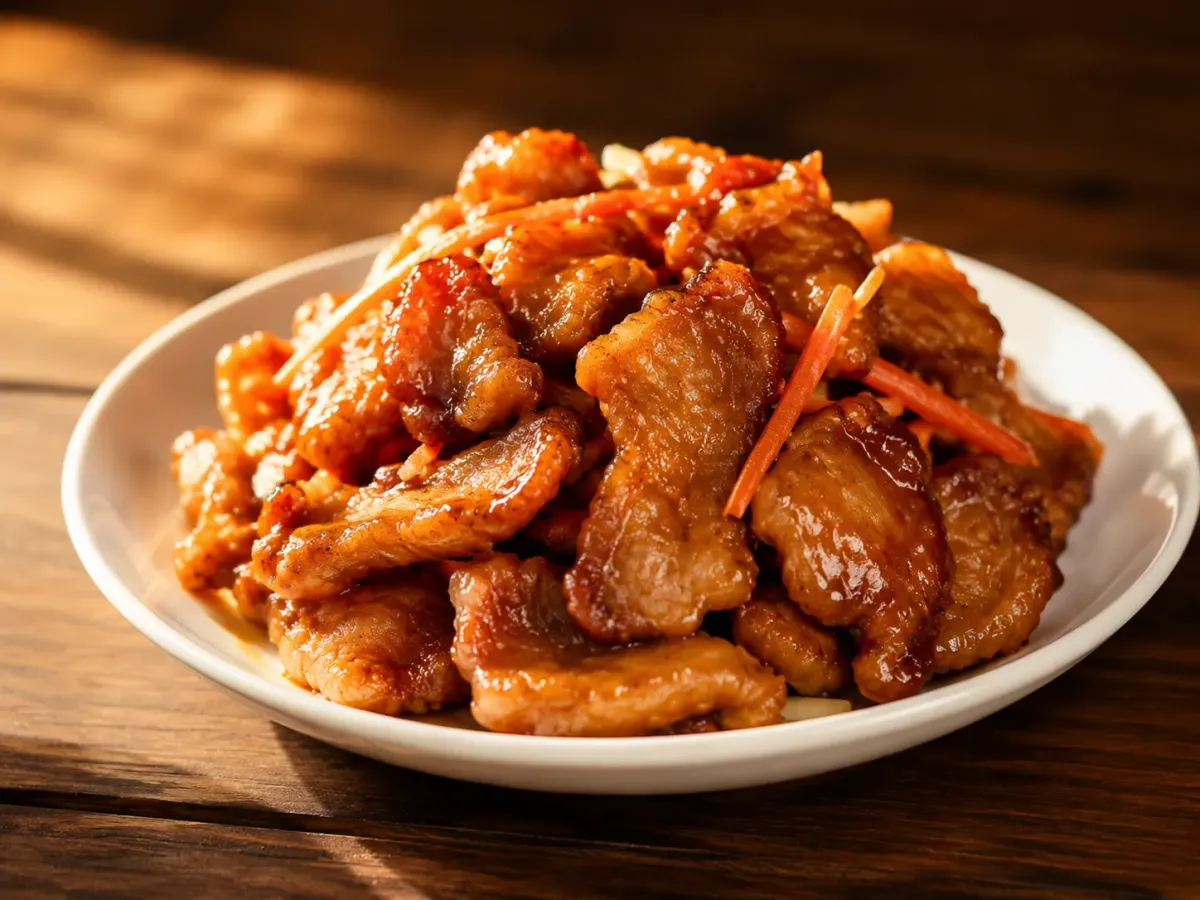 ¥26-48
锅包肉 · guō bāo ròu
Crispy pork in glossy sweet-and-sour sauce.
Tip:Northeast's tangy, crunchy crowd-pleaser.
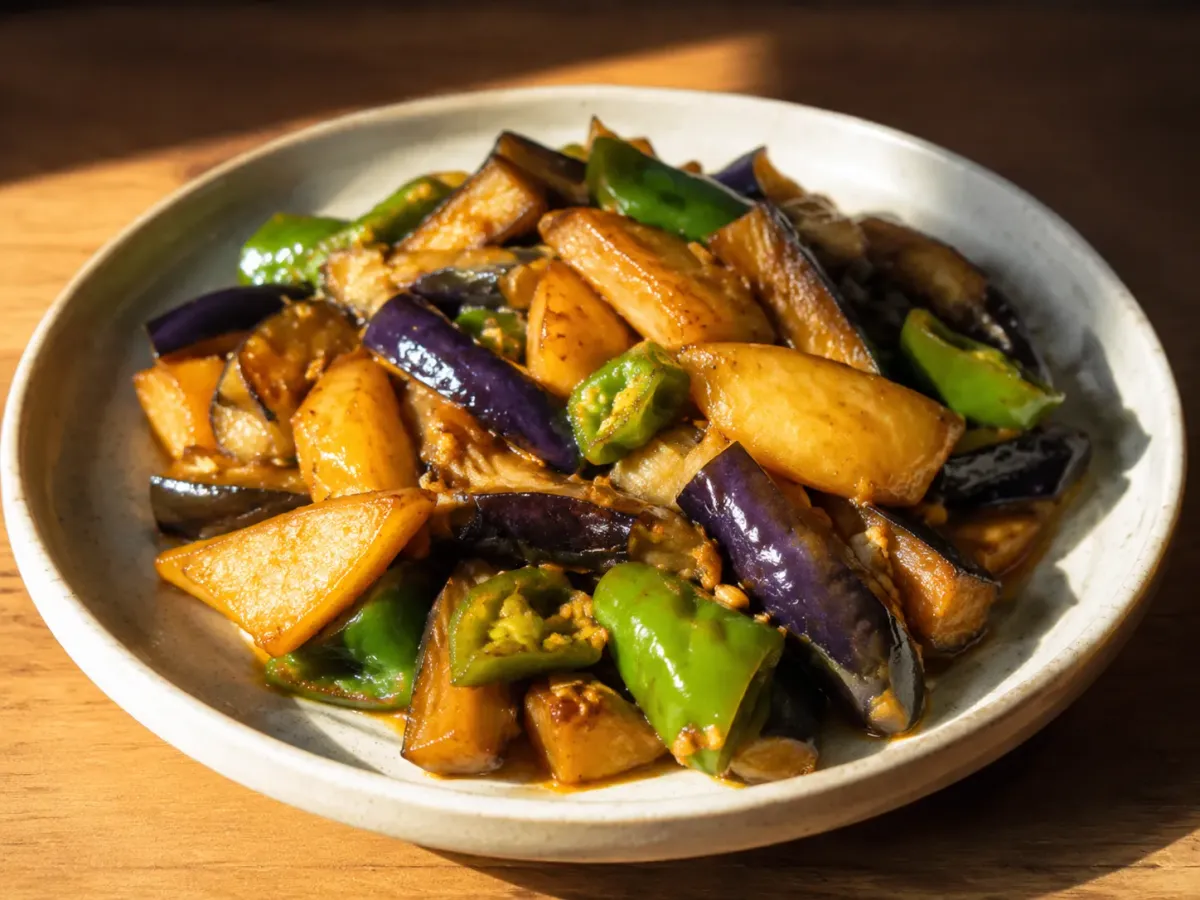 ¥15-28
地三鲜 · dì sān xiān
Potato, eggplant and pepper in garlicky sauce.
Tip:The vegetarian's reliable three-veg stir-fry.
¥88-188 per person★ Must try四川火锅 · sì chuān huǒ guō
A bubbling chili-oil pot where you cook meat and veg at the table.
Tip:First time? Order a yuānyāng pot — half spicy, half mild.
¥58-128水煮鱼 · shuǐ zhǔ yú
Tender fish poached in fiery chili-oil and peppercorn broth.
Tip:Fish is tender, oil is fiery — pace with rice.
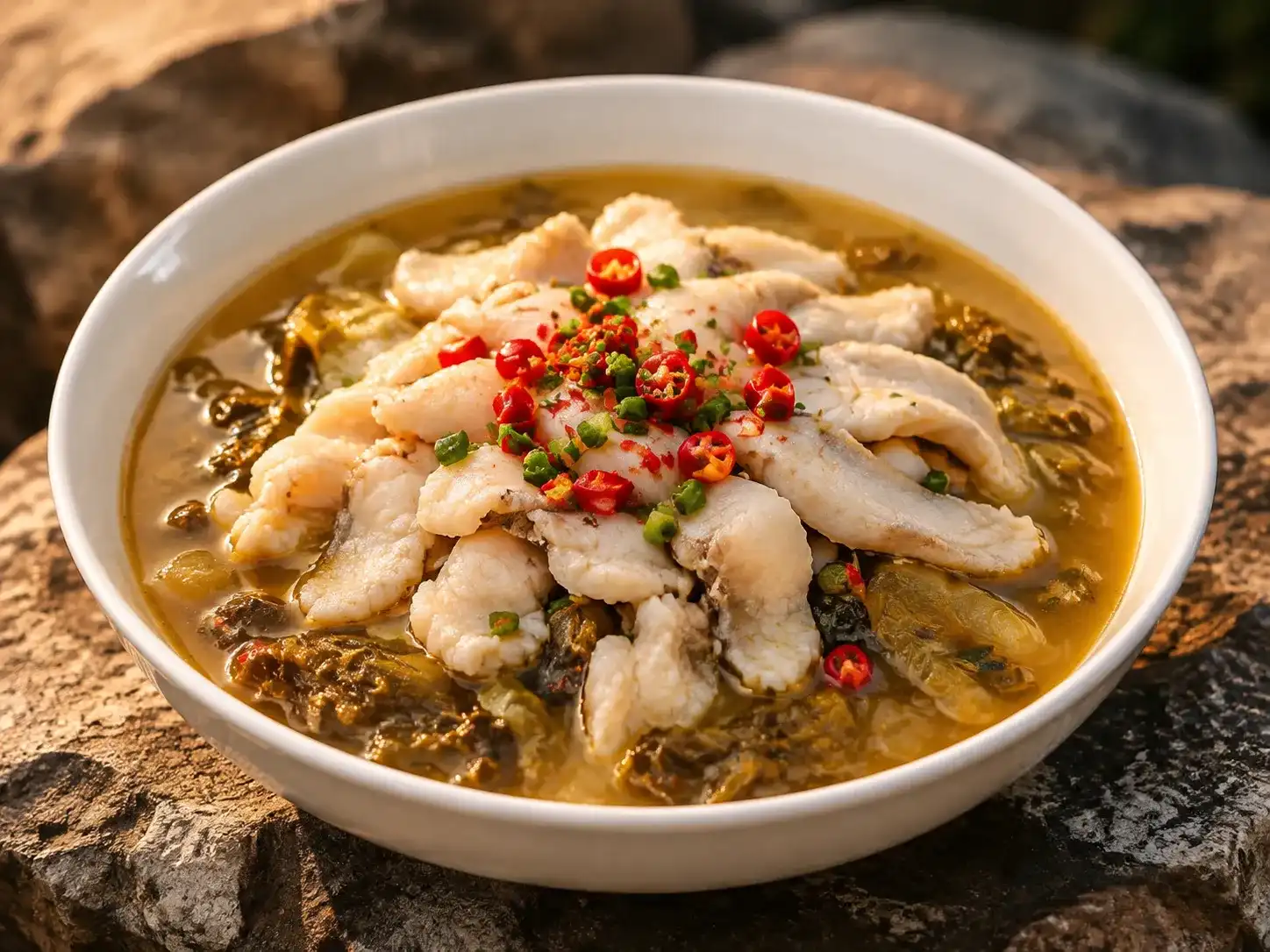 ¥48-98
酸菜鱼 · suān cài yú
Fish fillets in tangy pickled-mustard and chili broth.
Tip:The sour broth is gentle — beginners can handle it.
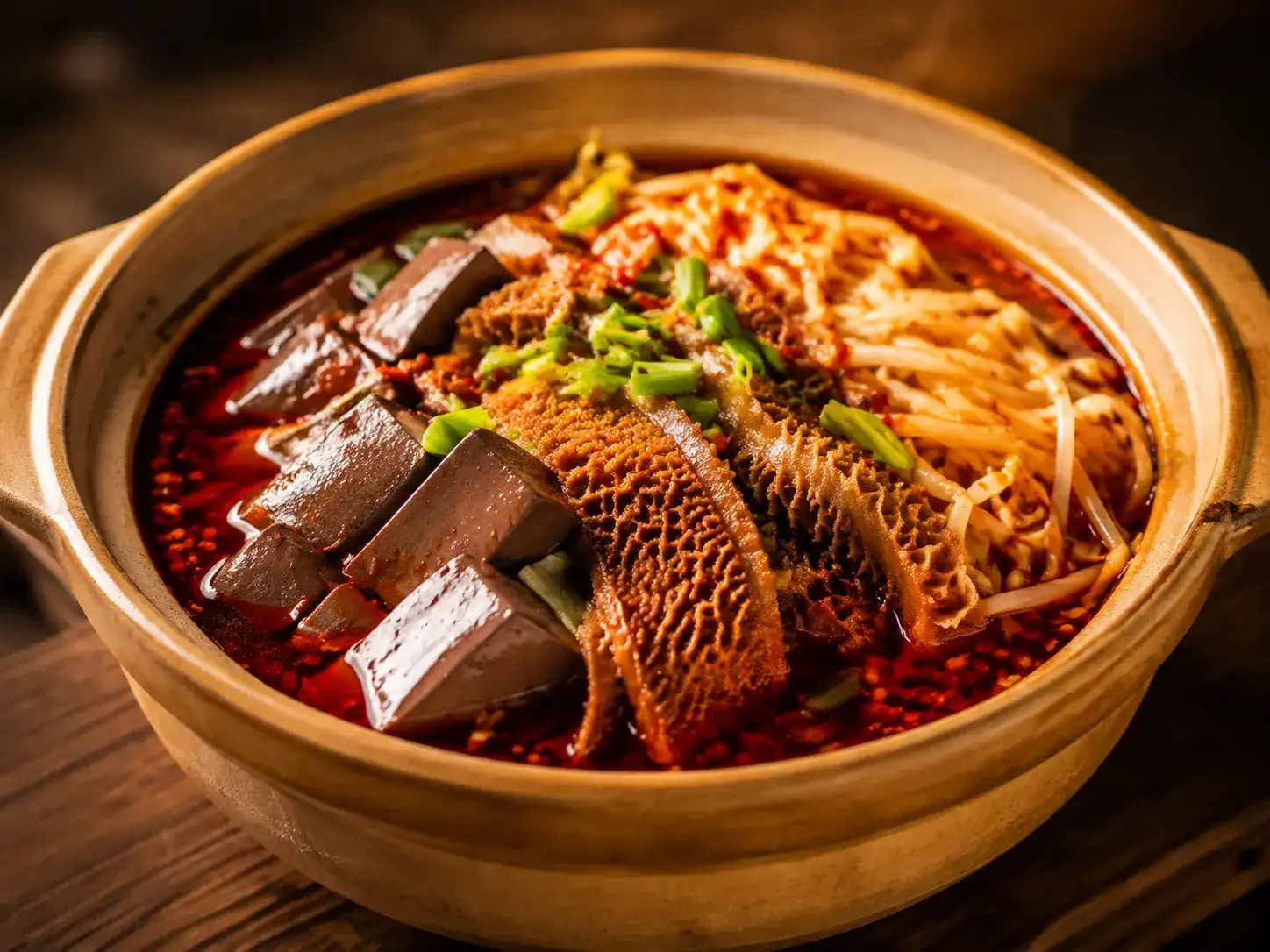 ¥45-88
毛血旺 · máo xuè wàng
Fiery hot pot of duck blood, tripe and sprouts in chili oil.
Tip:Not for beginners — blood and tripe in chili oil.
¥25-58干炒牛河 · gān chǎo niú hé
Wide rice noodles stir-fried with beef and sprouts over high heat.
Tip:Eat at once — the smoky wok aroma fades fast.
¥16-36★ Must try担担面 · dàn dàn miàn
Wheat noodles under chili oil, sesame paste and minced pork.
Tip:Stir well — the chili oil settles at the bottom.
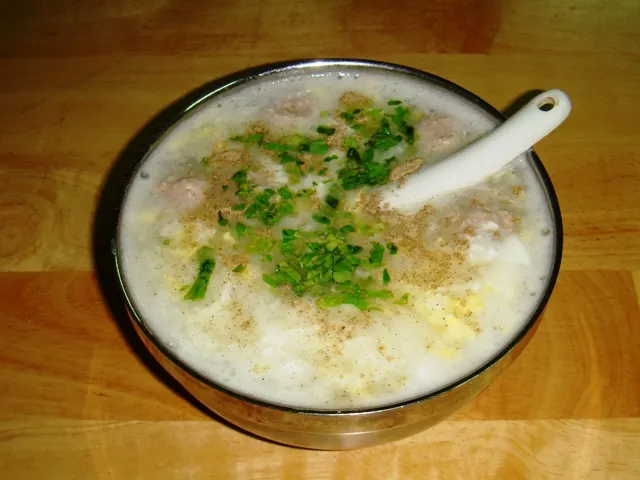 ¥8-22
¥8-22白粥 · bái zhōu
Slow-cooked rice porridge, plain or with egg and pork.
Tip:Easy on the stomach — a breakfast or late-night fix.
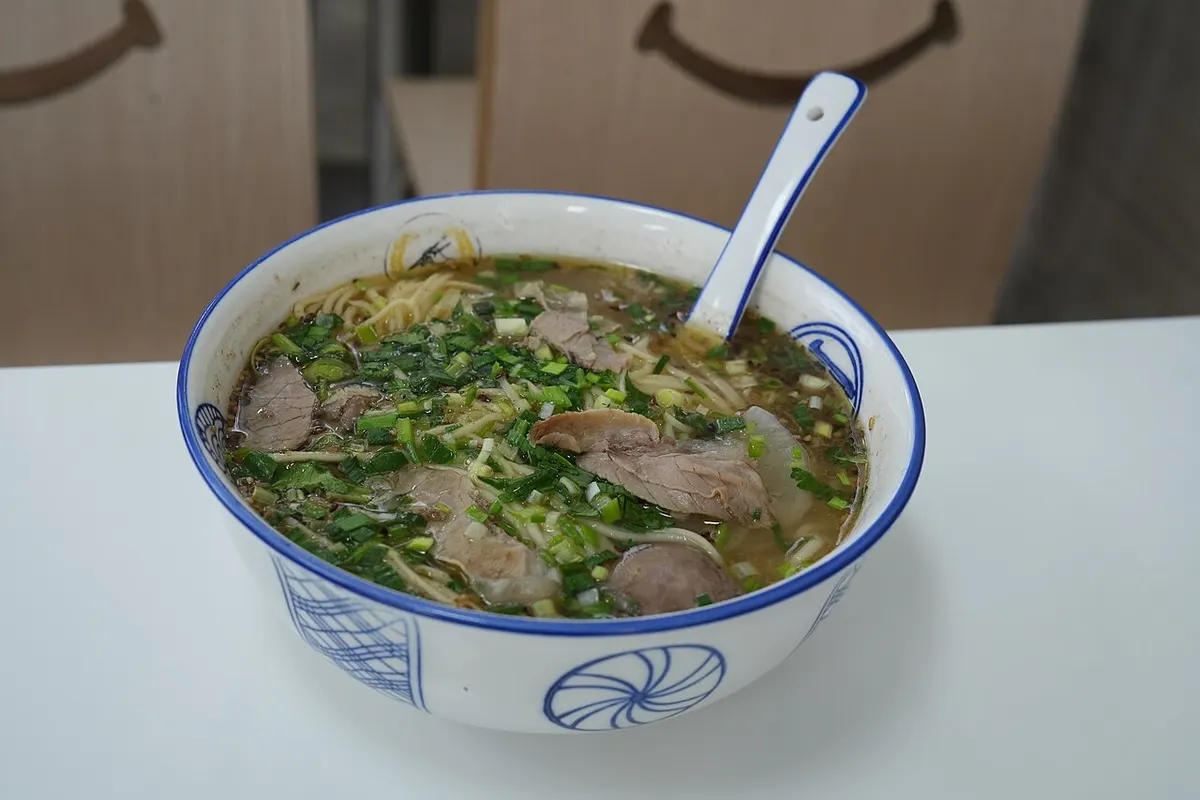 ¥22-48
牛肉面 · niú ròu miàn
Hand-pulled noodles in rich beef broth with braised beef.
Tip:Add chili oil a little at a time, to taste.
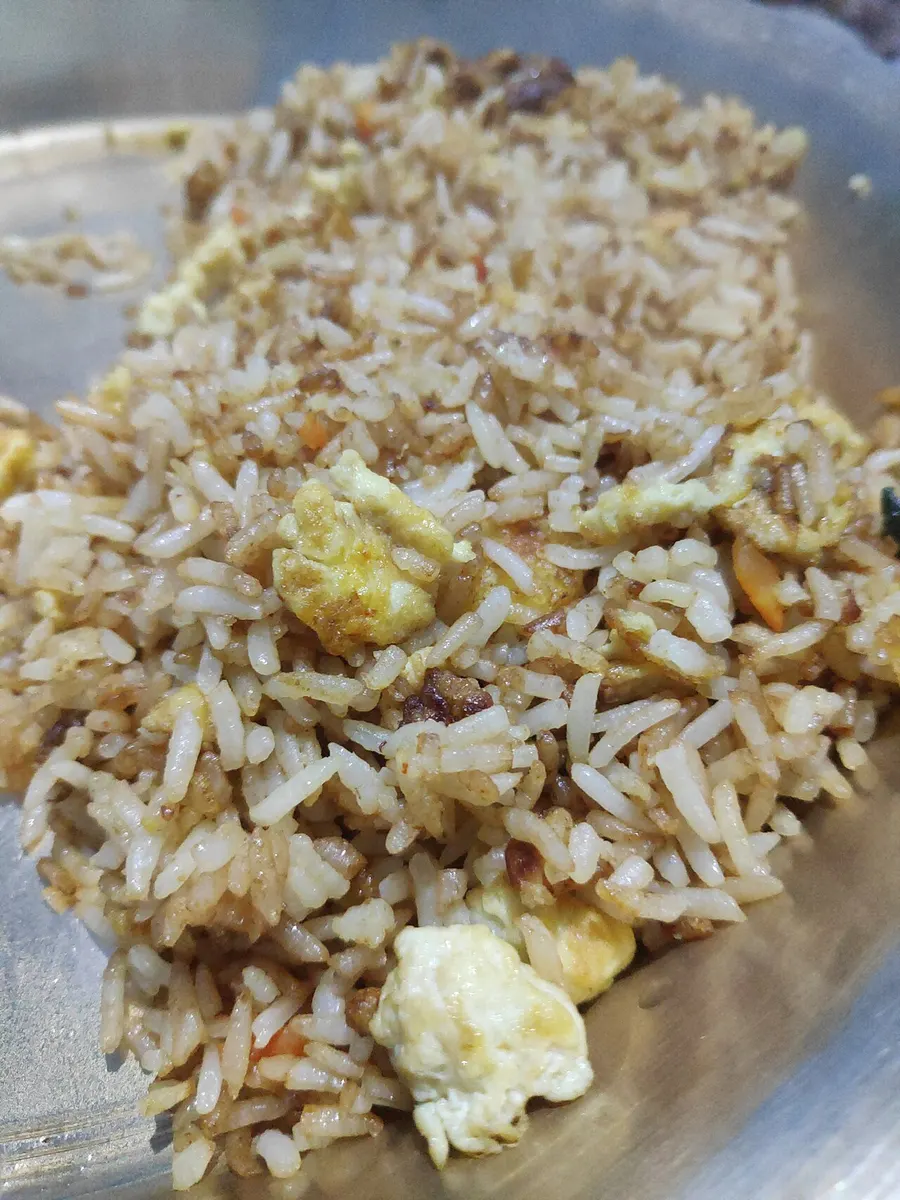 ¥12-28
蛋炒饭 · dàn chǎo fàn
Rice wok-fried with egg, scallion and a touch of soy.
Tip:The universal backup — it never disappoints.
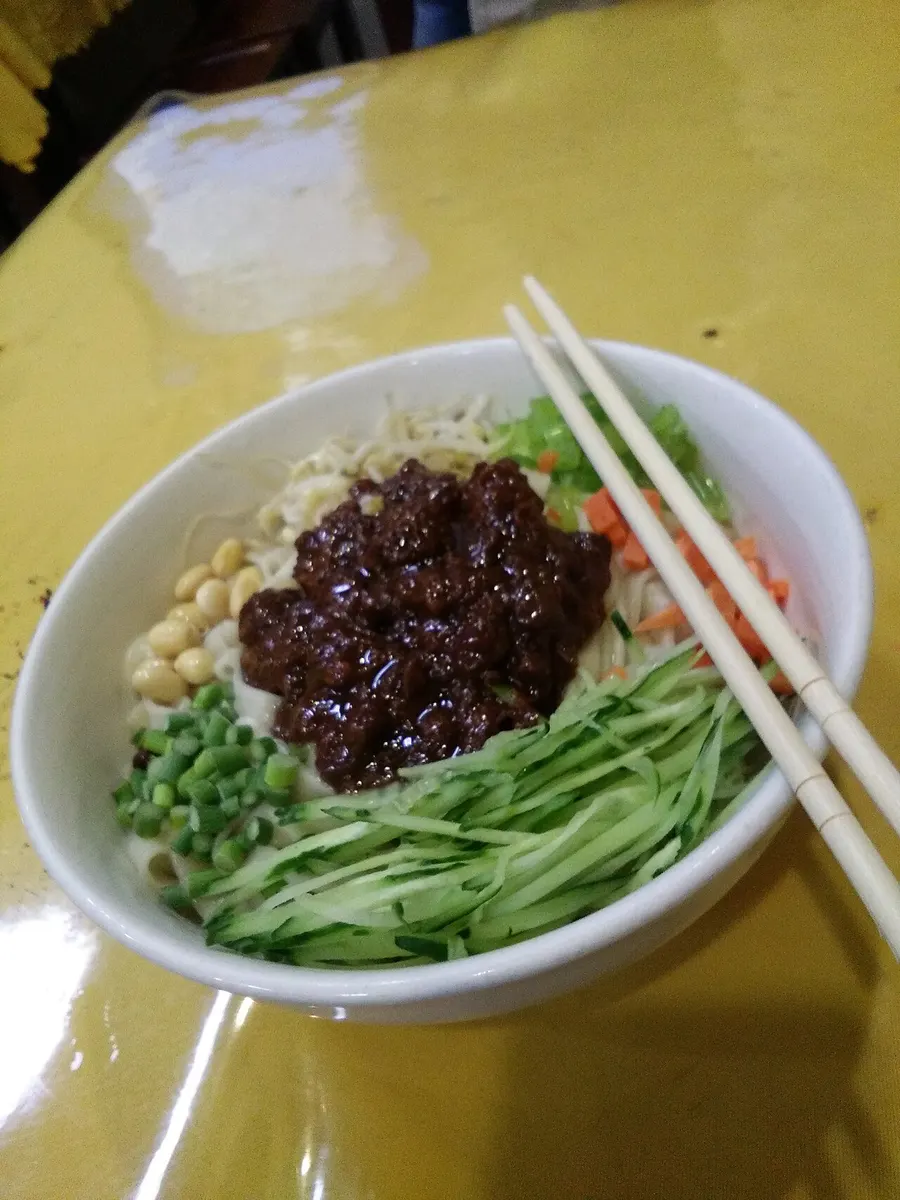 ¥15-32
炸酱面 · zhá jiàng miàn
Wheat noodles with salty fermented soybean paste and pork.
Tip:Mix well — the paste sits at the bottom.
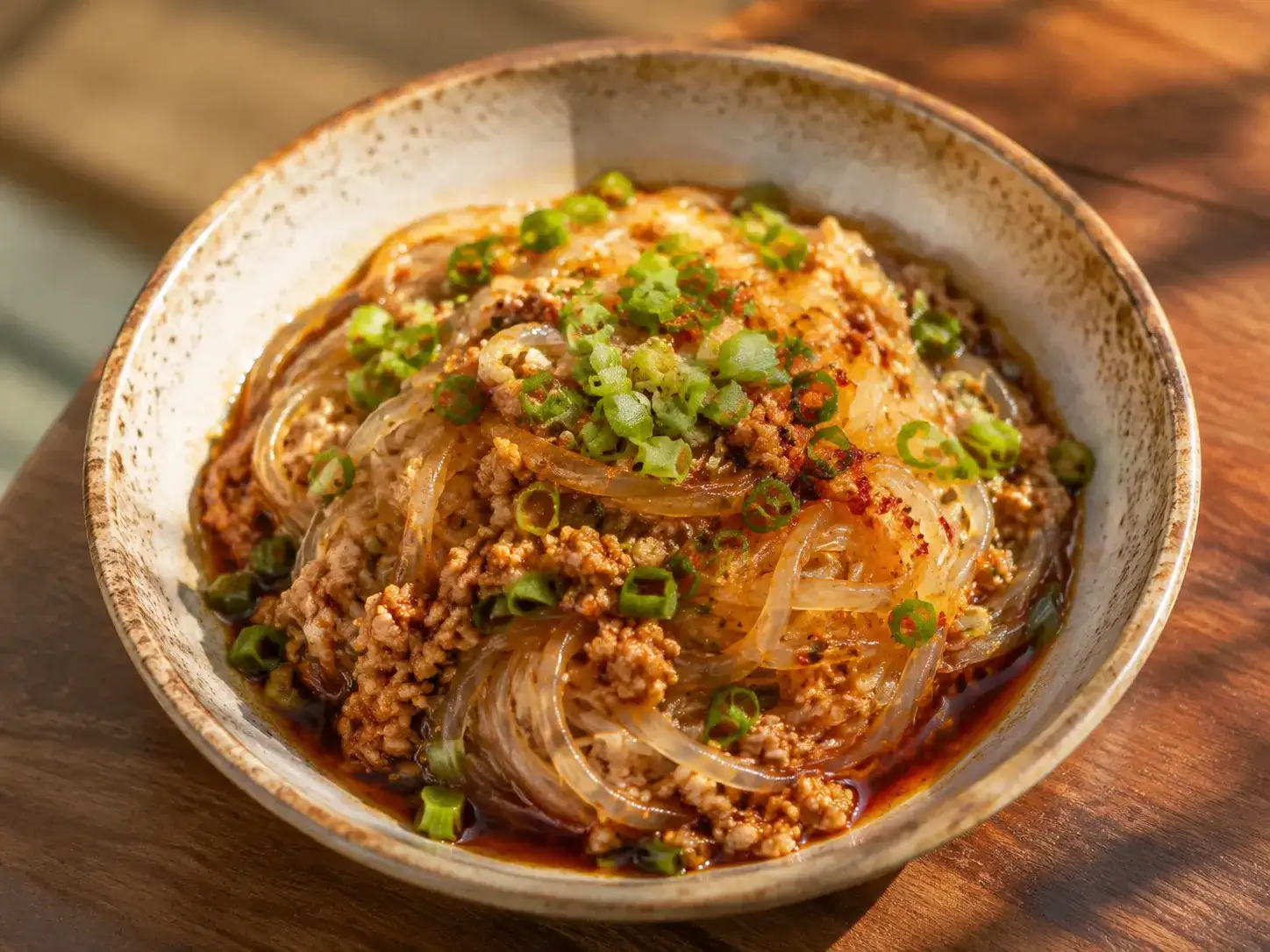 ¥15-30
蚂蚁上树 · mǎ yǐ shàng shù
Glass noodles in spicy soy with minced pork 'ants'.
Tip:Fun name, mild heat — noodles are the star.
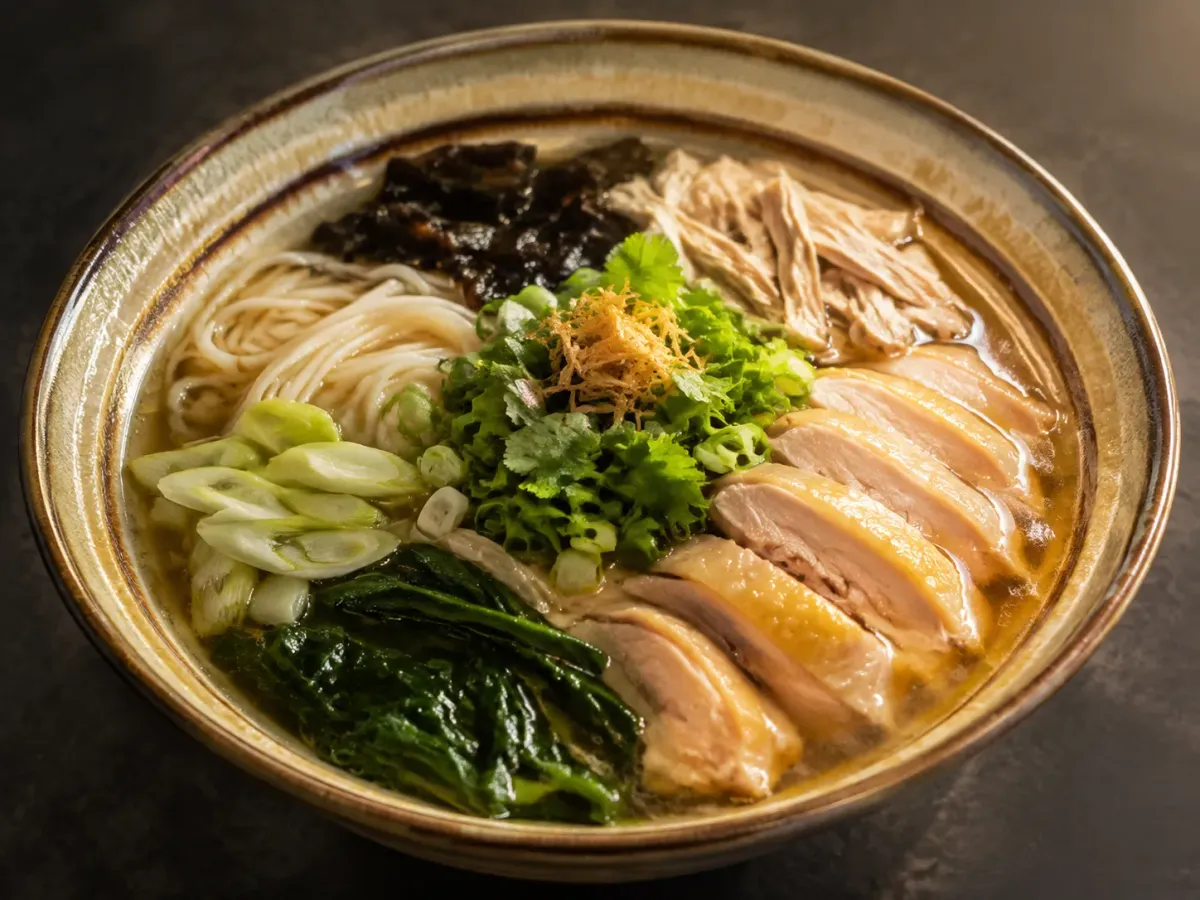 ¥22-42★ Must try
过桥米线 · guò qiáo mǐ xiàn
Yunnan rice noodles; you cook raw slices in hot broth.
Tip:You cook the slices yourself — fun to watch.
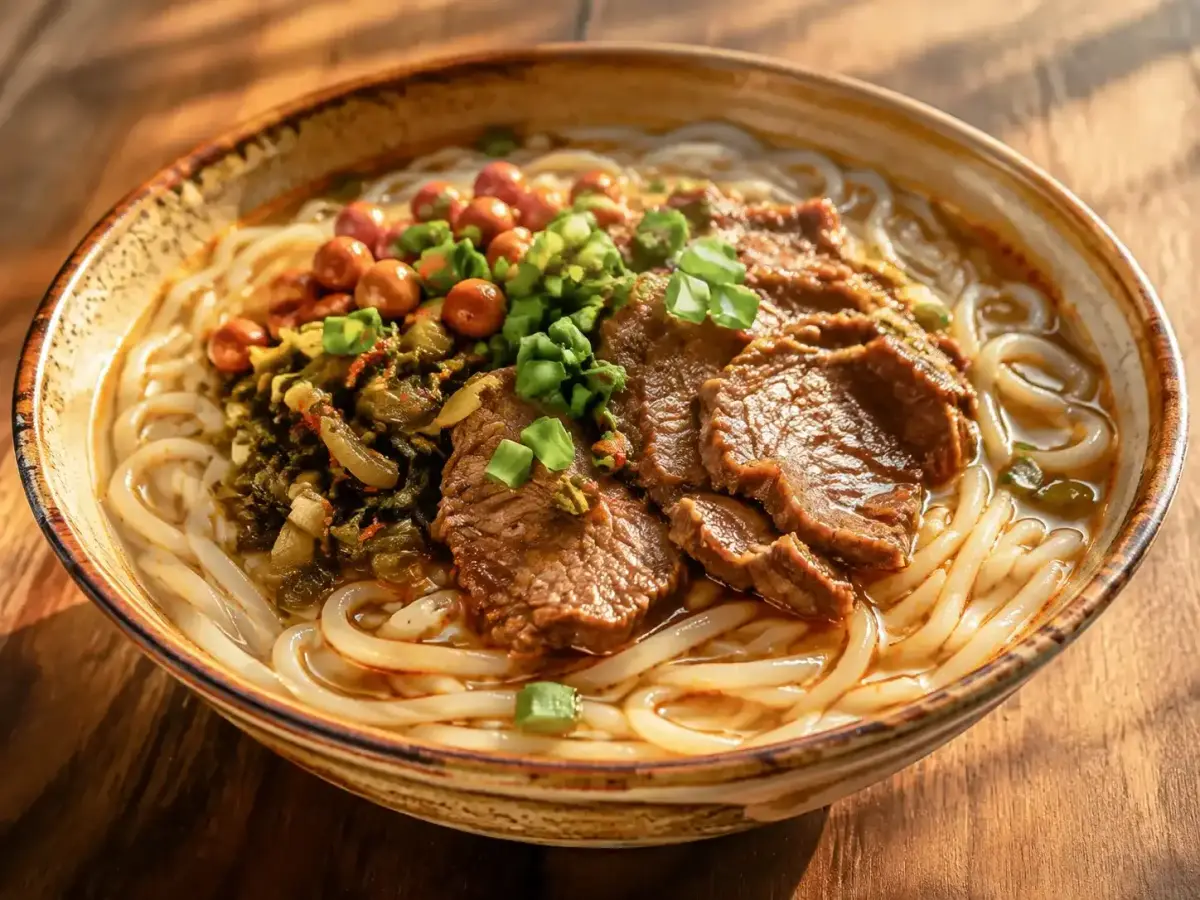 ¥12-25
桂林米粉 · guì lín mǐ fěn
Rice noodles with beef, pickled beans and peanuts.
Tip:Cheap breakfast — try the dry-mixed style.
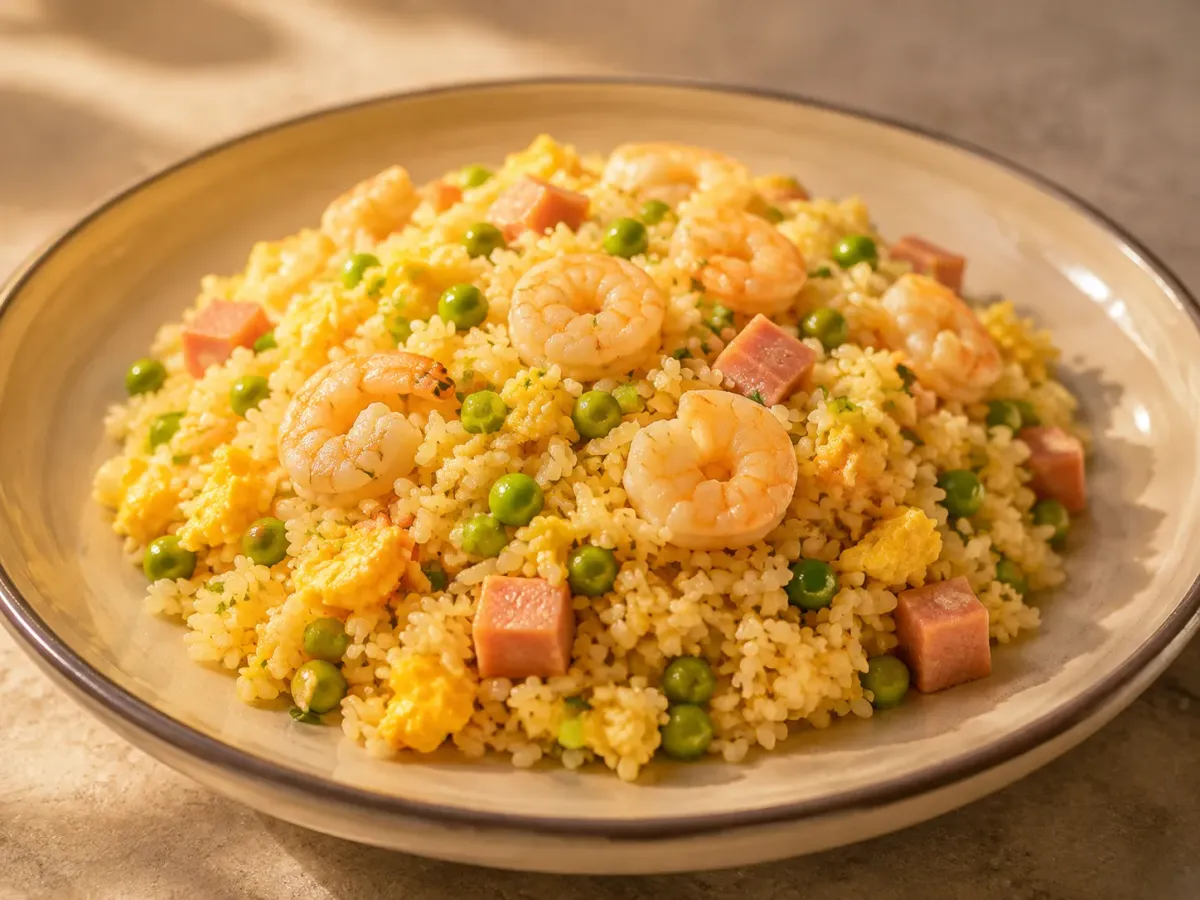 ¥18-35
扬州炒饭 · yáng zhōu chǎo fàn
Shrimp, ham, egg and peas, each grain separate.
Tip:Great for sharing — the 'gold standard' fried rice.
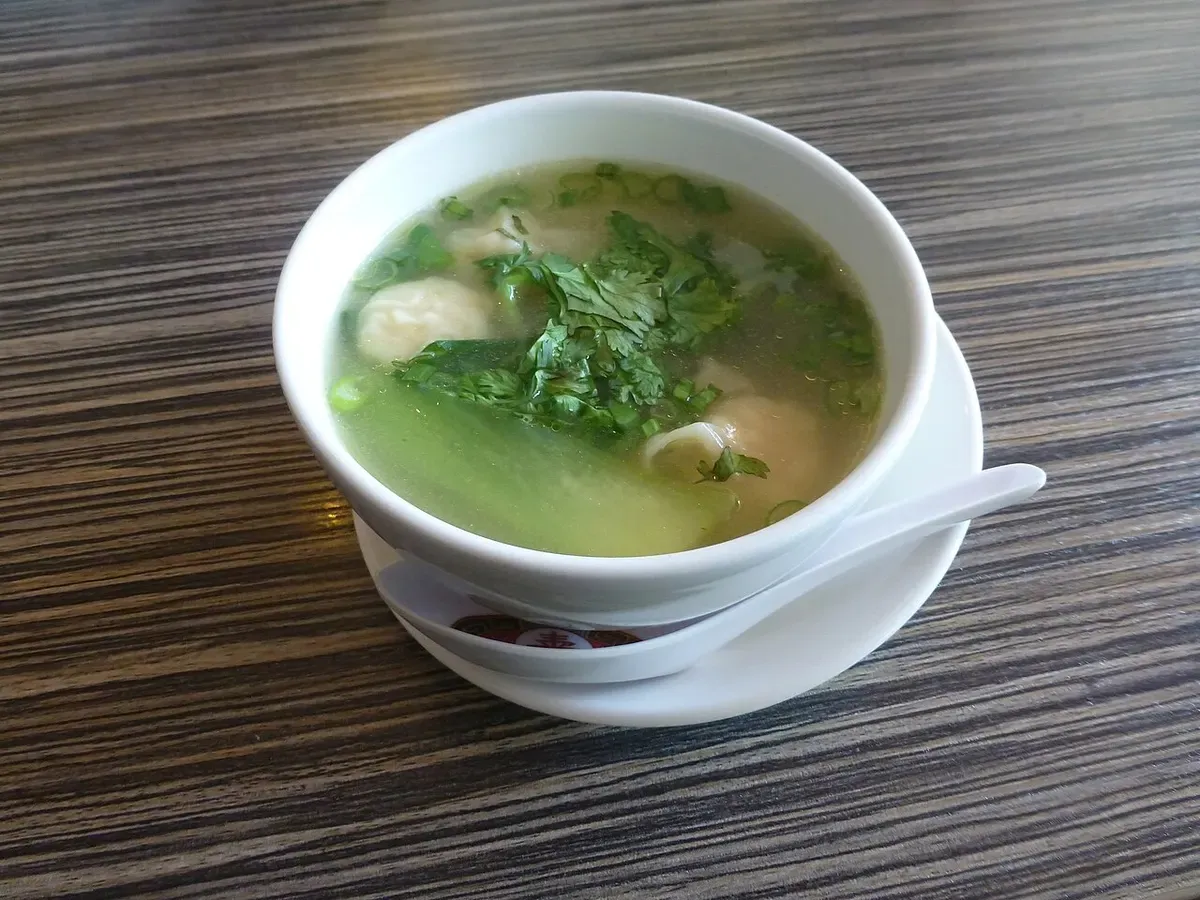 ¥18-38
云吞汤 · yún tūn tāng
Pork-shrimp dumplings in a light, clear chicken broth.
Tip:Gentle choice — good after a long flight.
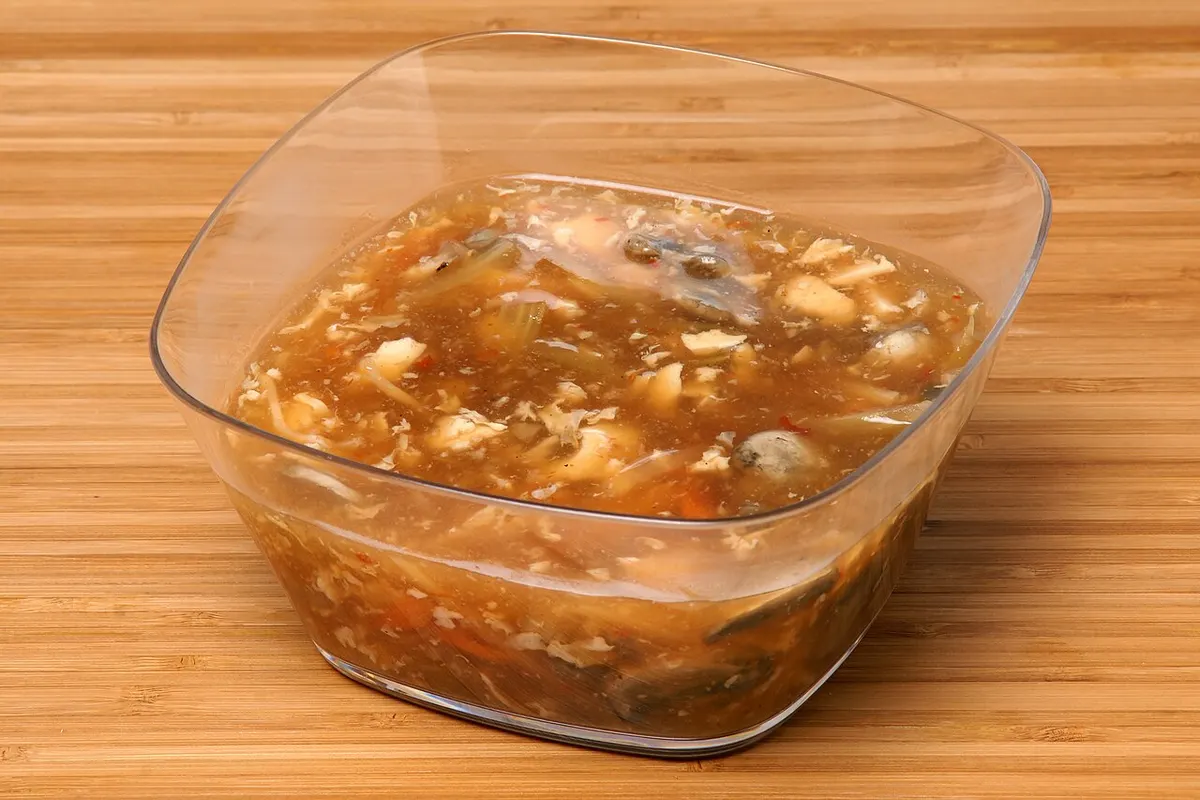 ¥12-28
酸辣汤 · suān là tāng
Peppery, vinegary soup with tofu, mushroom and egg.
Tip:Start with a spoonful — the heat builds.
¥12-38★ Must try小笼包 · xiǎo lóng bāo
Steamed soup dumplings with hot pork broth inside thin skins.
Tip:Bite a hole, sip the broth, then dip in vinegar.
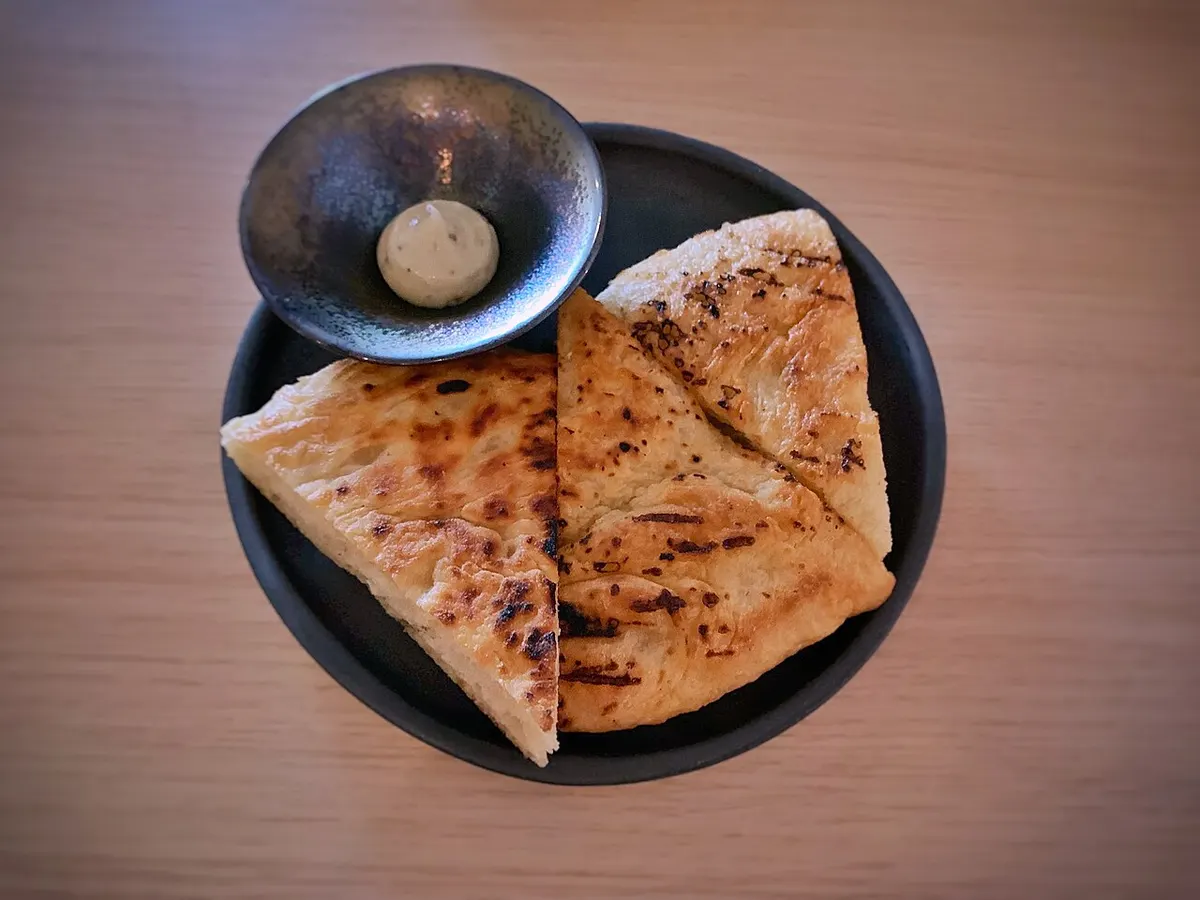 ¥8-20
¥8-20葱油饼 · cōng yóu bǐng
Flaky pan-fried flatbread layered with scallions.
Tip:Best hot off the griddle — the top street snack.
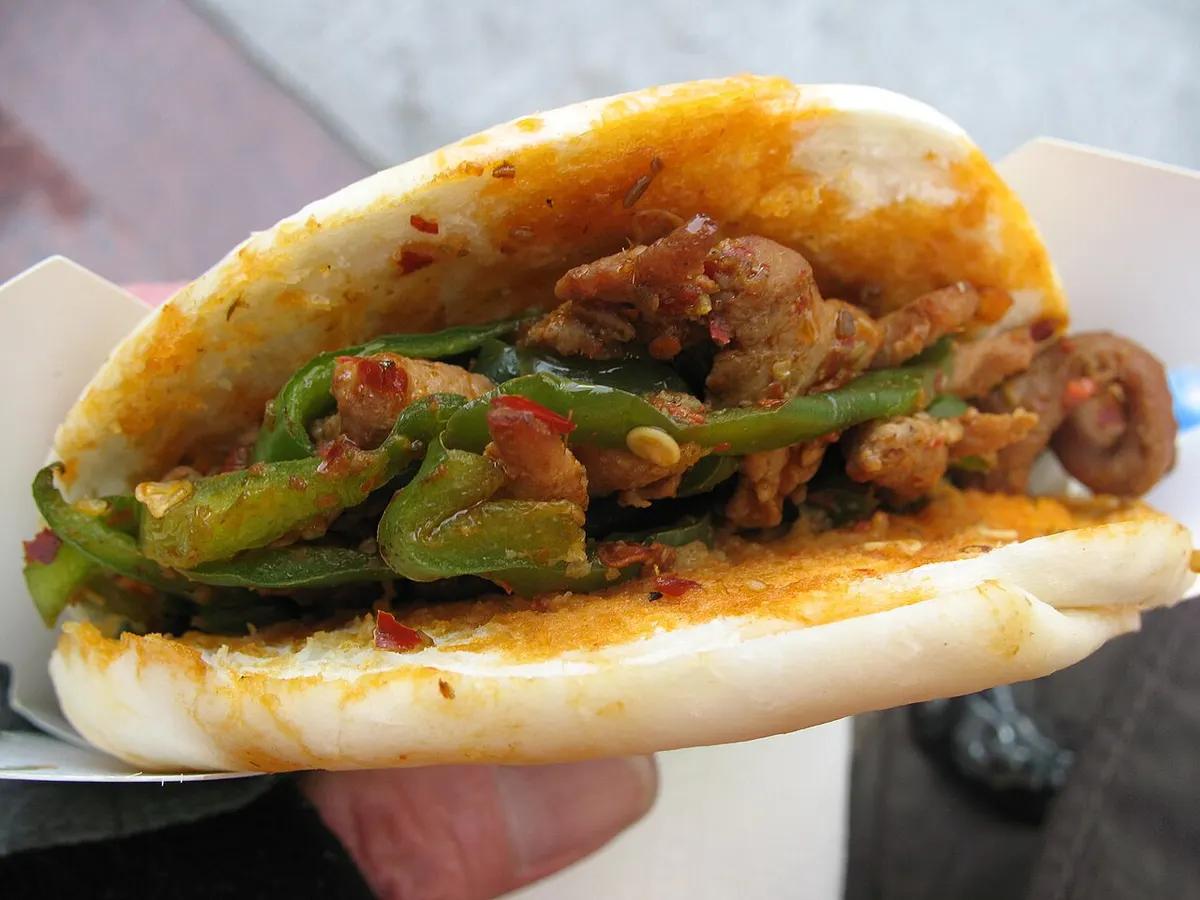 ¥8-20★ Must try
肉夹馍 · ròu jiā mó
Braised pork in a crispy flatbread — China's hamburger.
Tip:Eat standing at the stall, like a local.
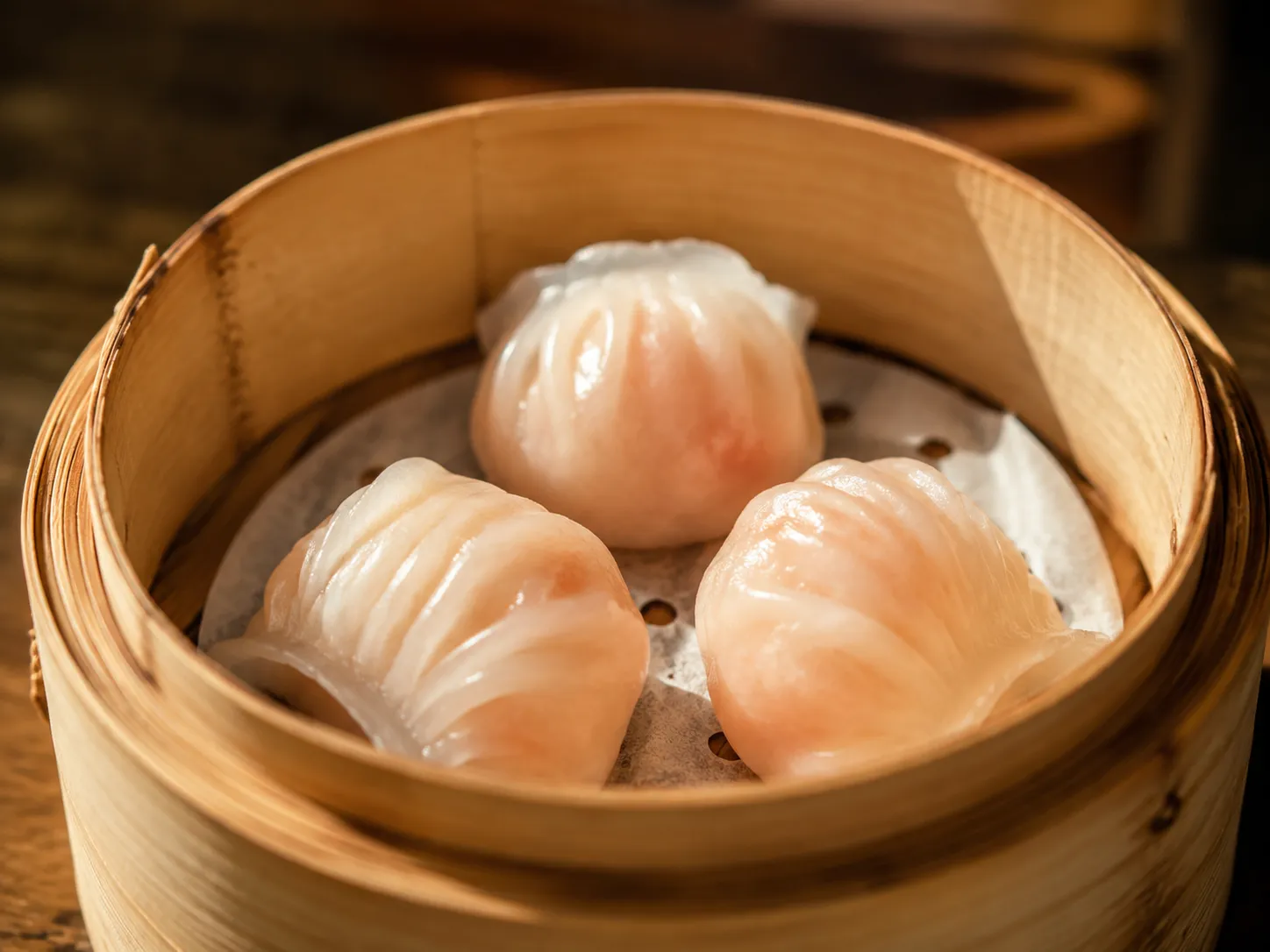 ¥15-32★ Must try
虾饺 · xiā jiǎo
Whole shrimp in a translucent rice-flour skin — dim sum's king.
Tip:The dim sum benchmark — order a basket.
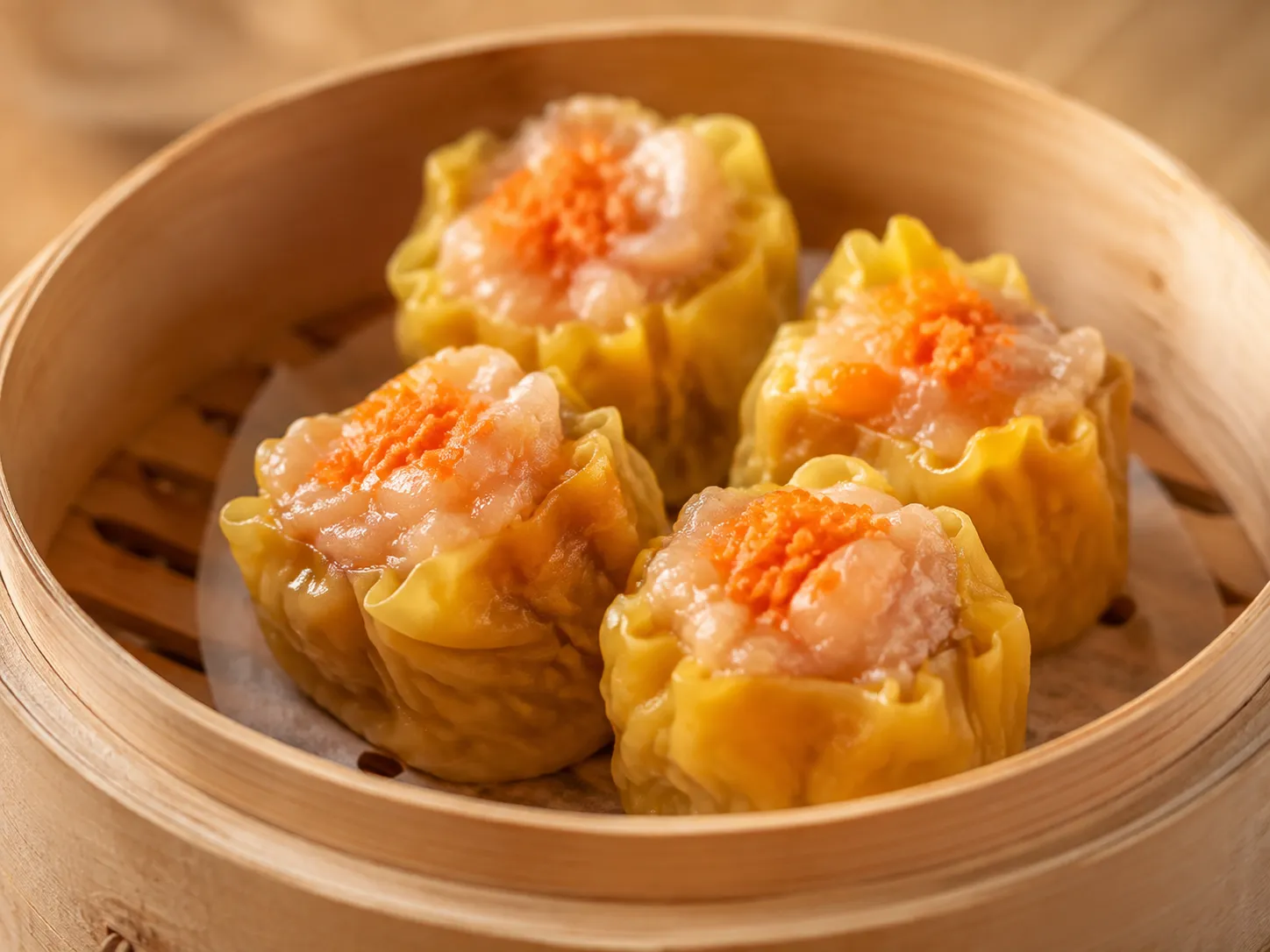 ¥12-28
烧卖 · shāo mài
Open pork-and-shrimp dumplings, steamed juicy.
Tip:A dim sum cart staple — juicy pork and shrimp.
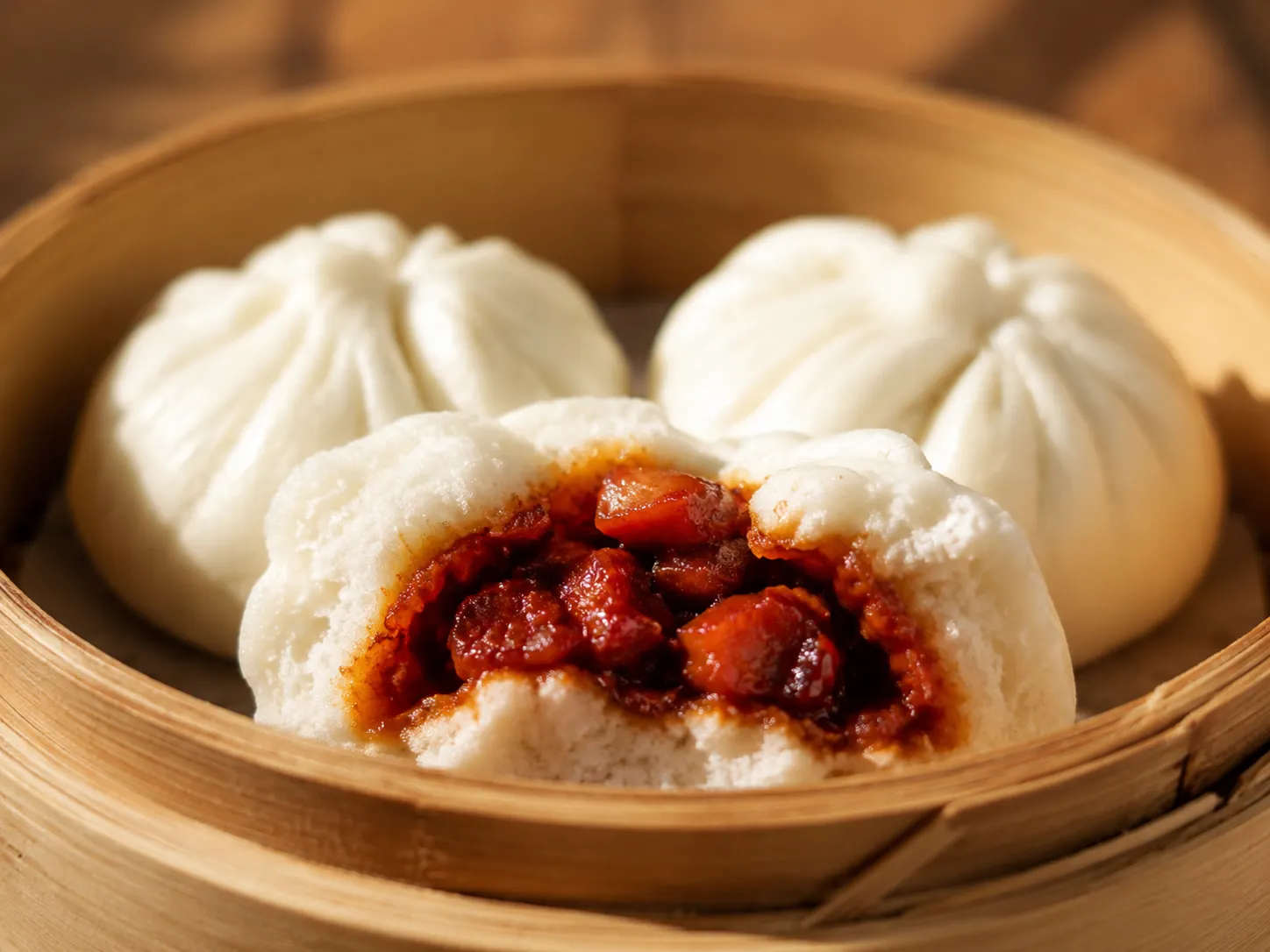 ¥8-18
¥8-18叉烧包 · chā shāo bāo
Fluffy buns with sweet barbecue pork inside.
Tip:Sweet pork buns — kids love them.
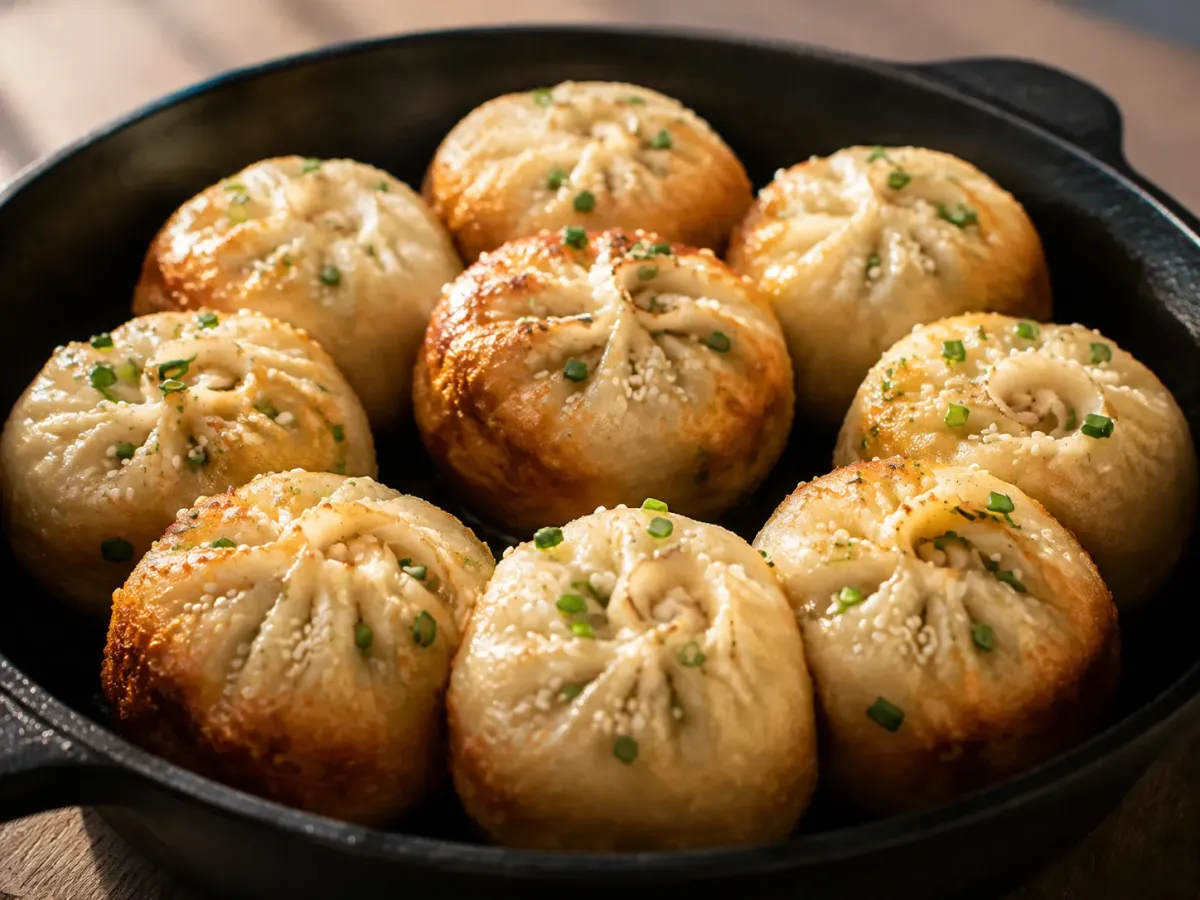 ¥10-24★ Must try
生煎包 · shēng jiān bāo
Shanghai buns with a crispy bottom and hot broth inside.
Tip:Bite carefully — broth inside.
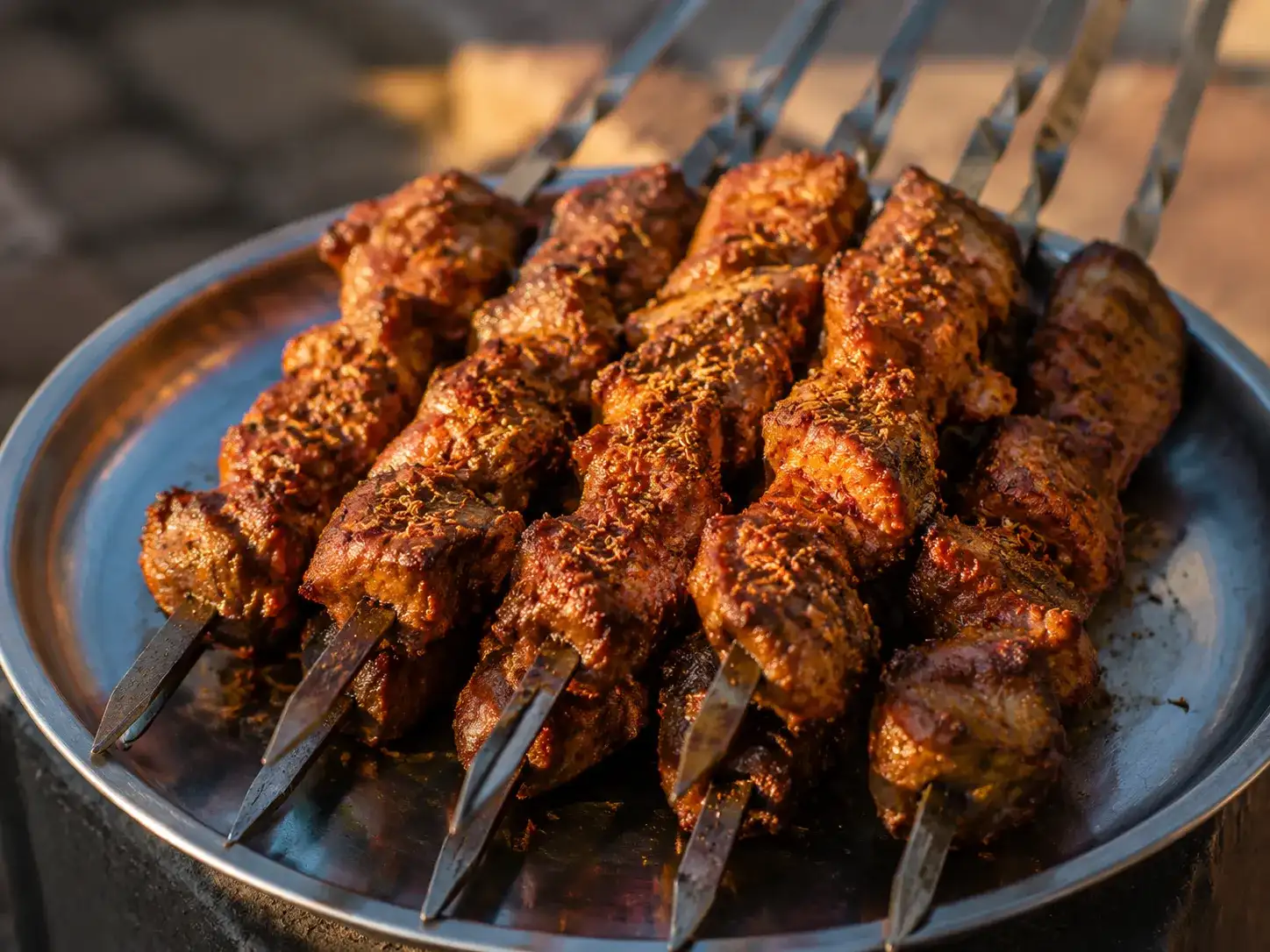 ¥5-12 per stick★ Must try
羊肉串 · yáng ròu chuàn
Xinjiang lamb kebabs with cumin and chili, charred.
Tip:Halal-friendly — order by the stick.
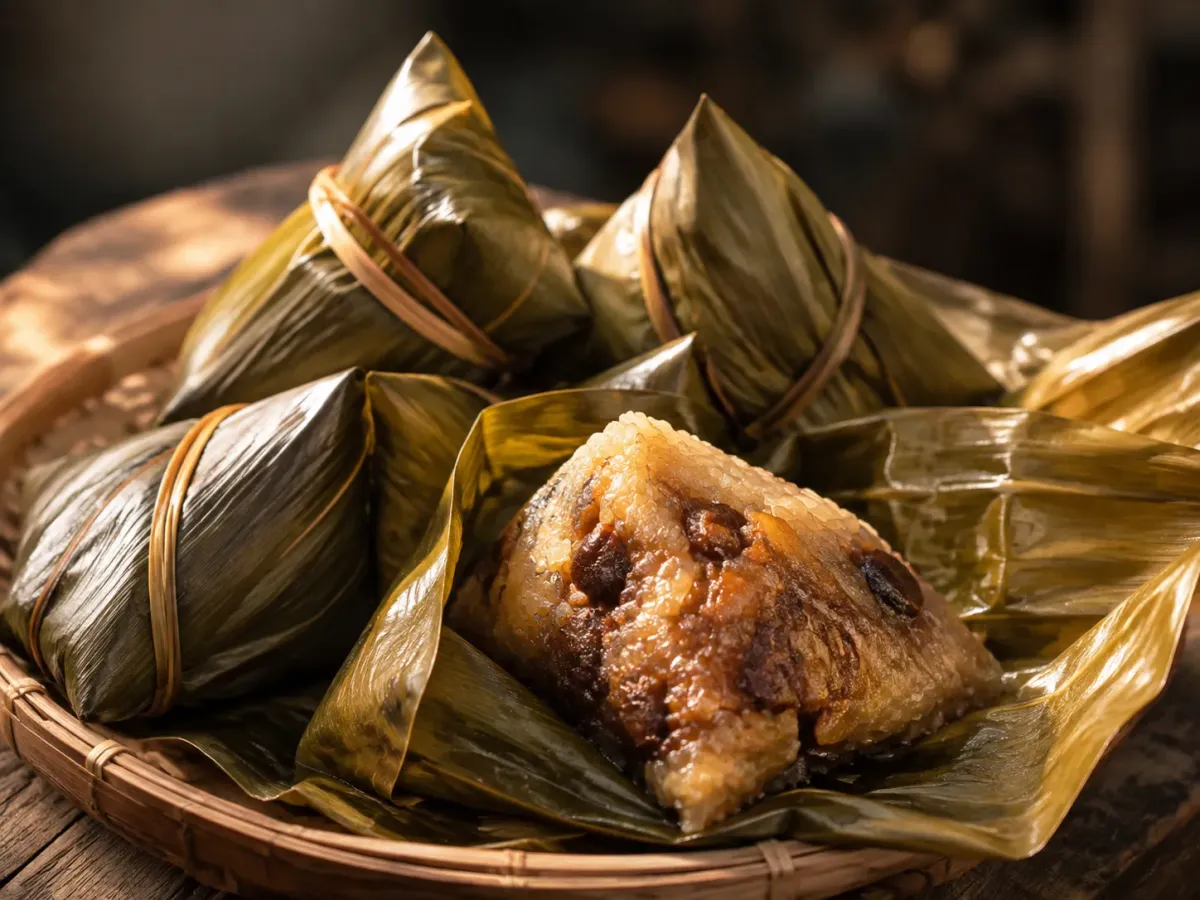 ¥5-15
¥5-15粽子 · zòng zi
Rice in bamboo leaves, sweet or savory — Dragon Boat classic.
Tip:Seasonal — around Dragon Boat Festival (June).
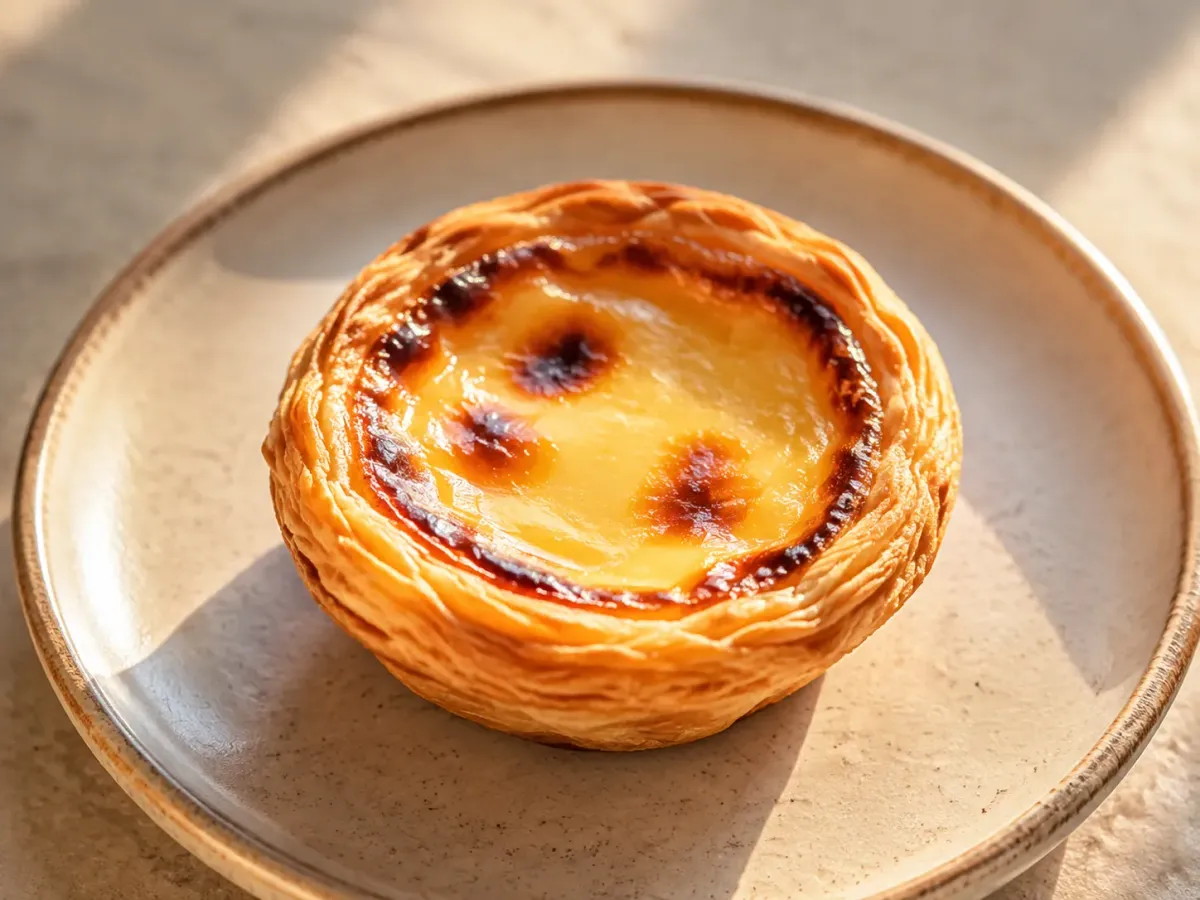 ¥6-15
¥6-15蛋挞 · dàn tà
Buttery shell with silky egg custard, caramelized on top.
Tip:Best fresh and warm from the oven.
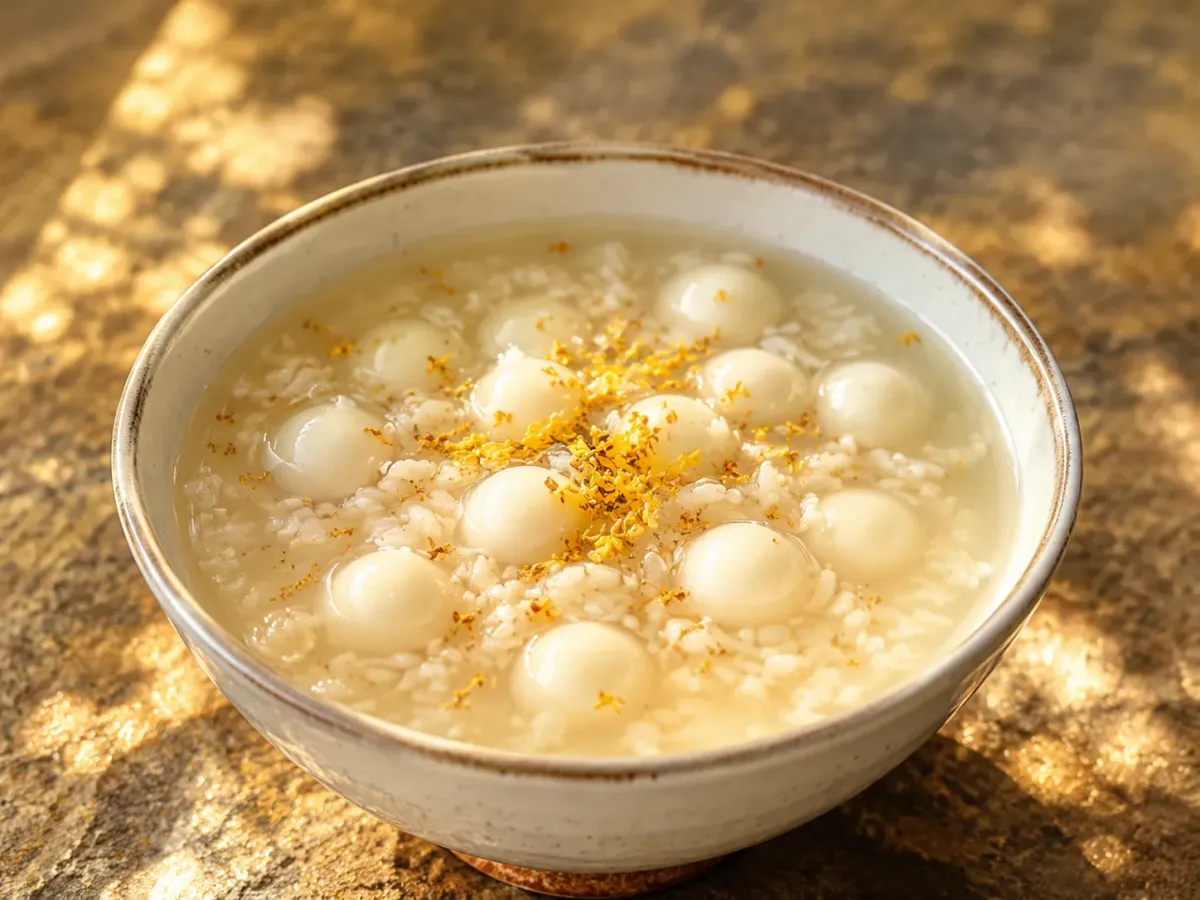 ¥6-15
¥6-15酒酿圆子 · jiǔ niàng yuán zi
Rice balls in sweet fermented rice soup, osmanthus-scented.
Tip:A gentle, comforting dessert soup.
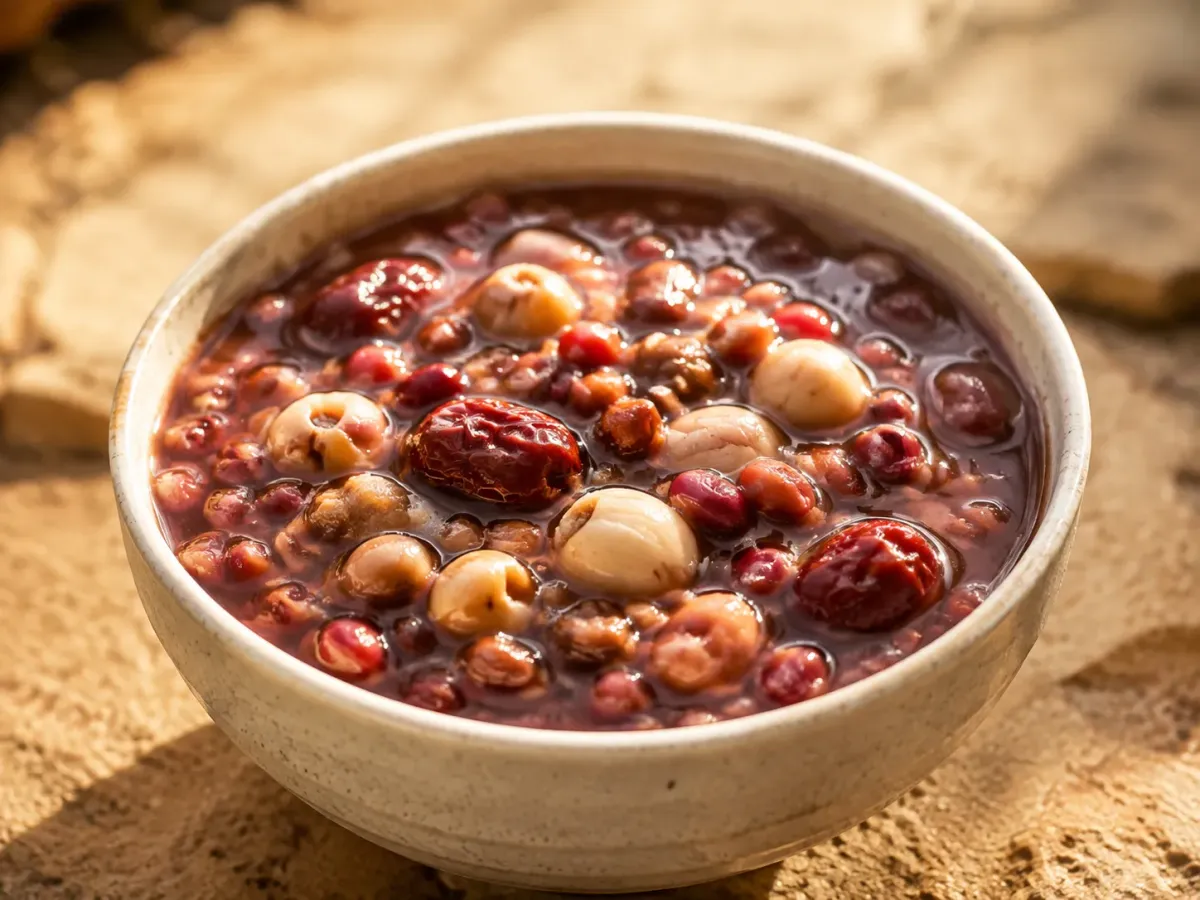 ¥6-15
¥6-15八宝粥 · bā bǎo zhōu
Sweet rice porridge with beans, dates and lotus seeds.
Tip:Breakfast or dessert — beans and dates.
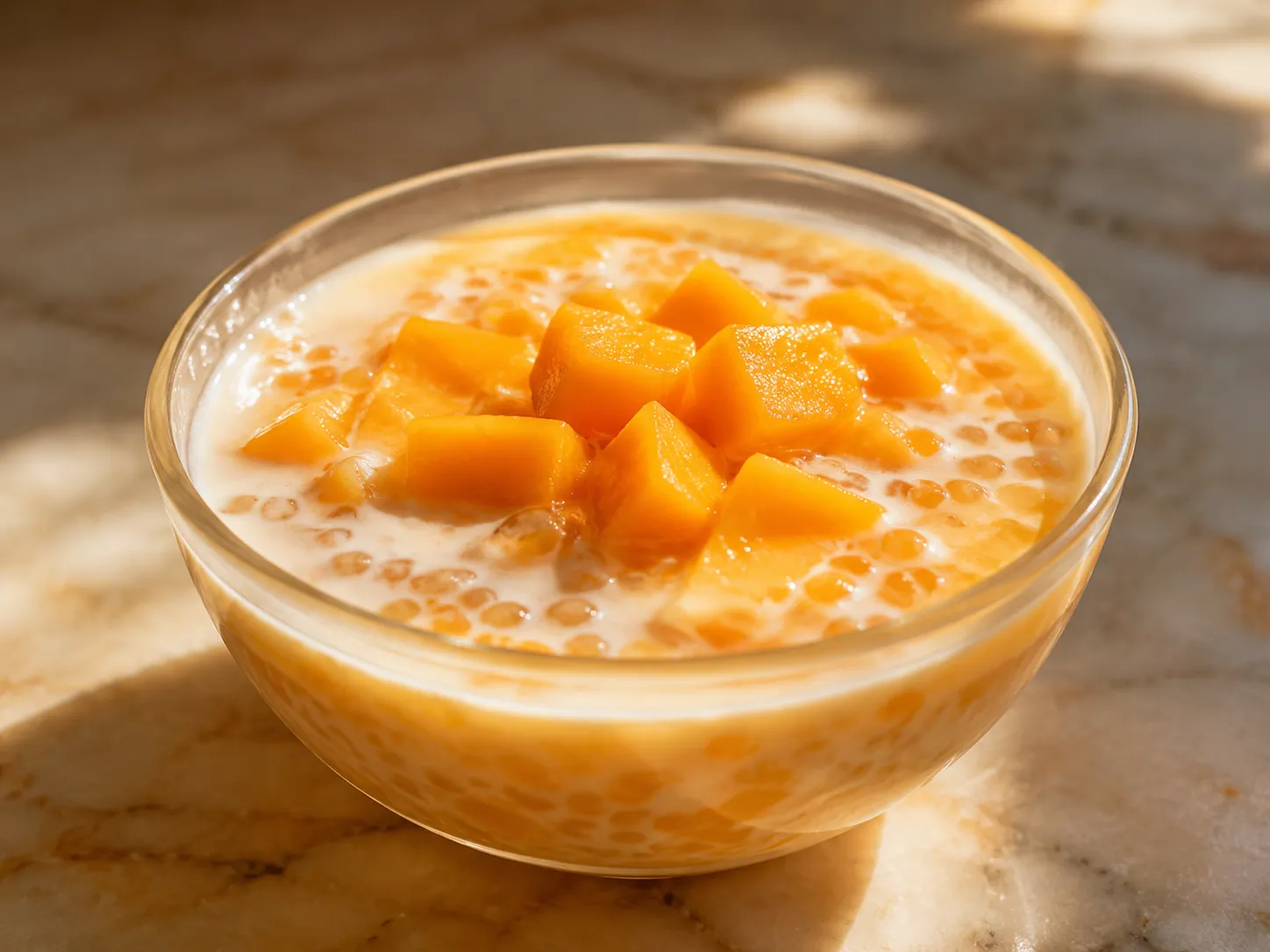 ¥15-32
芒果西米露 · máng guǒ xī mǐ lù
Chilled mango purée with sago and coconut milk.
Tip:Hong Kong's signature sweet-shop dessert.
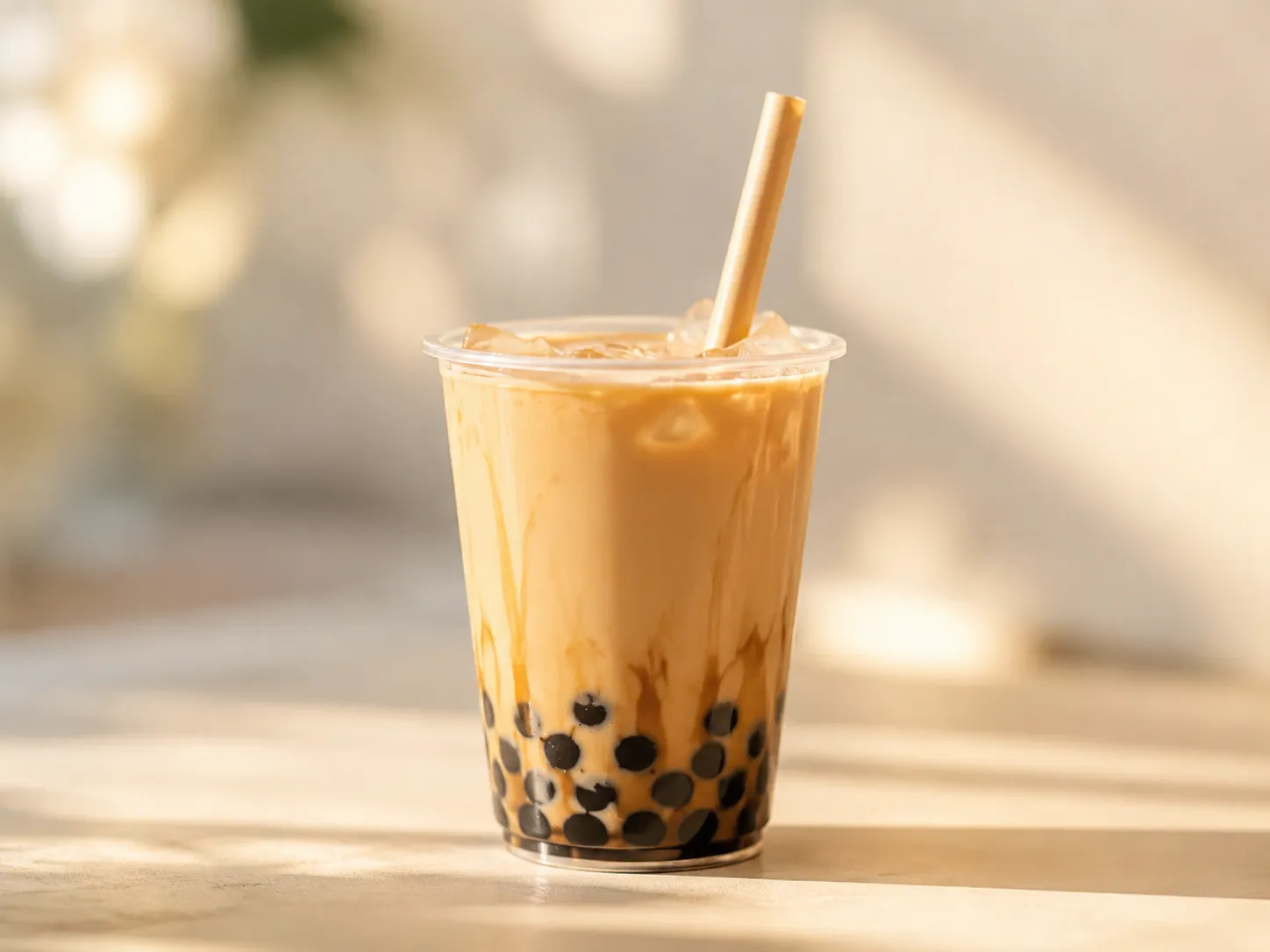 ¥8-25
¥8-25珍珠奶茶 · zhēn zhū nǎi chá
Sweet milk tea with chewy tapioca pearls, hot or iced.
Tip:Say 'shǎo táng' for less sugar.
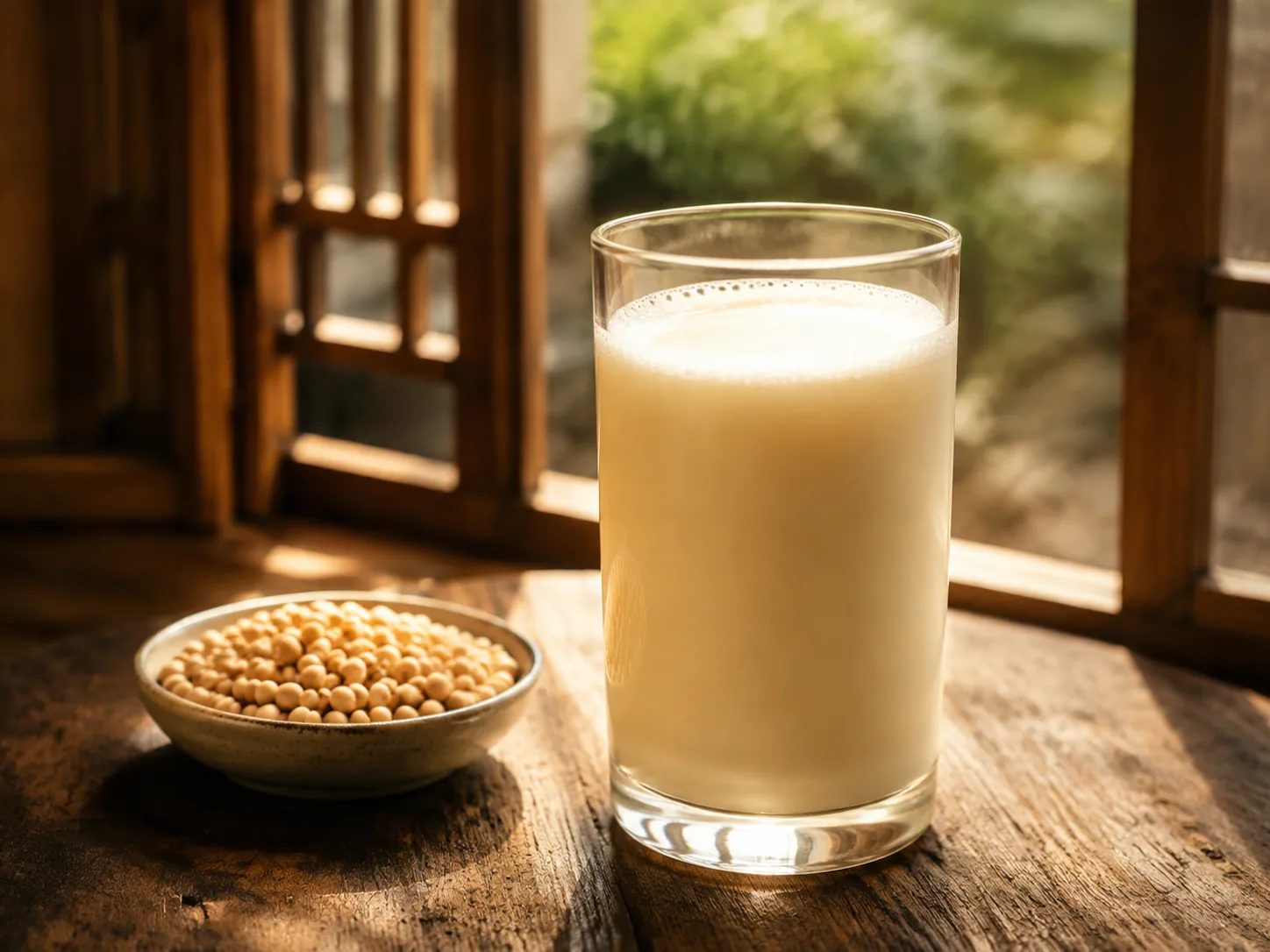 ¥2-6
¥2-6豆浆 · dòu jiāng
Fresh soy milk, sweet or savory, with fried dough.
Tip:Try it savory with fried dough sticks.
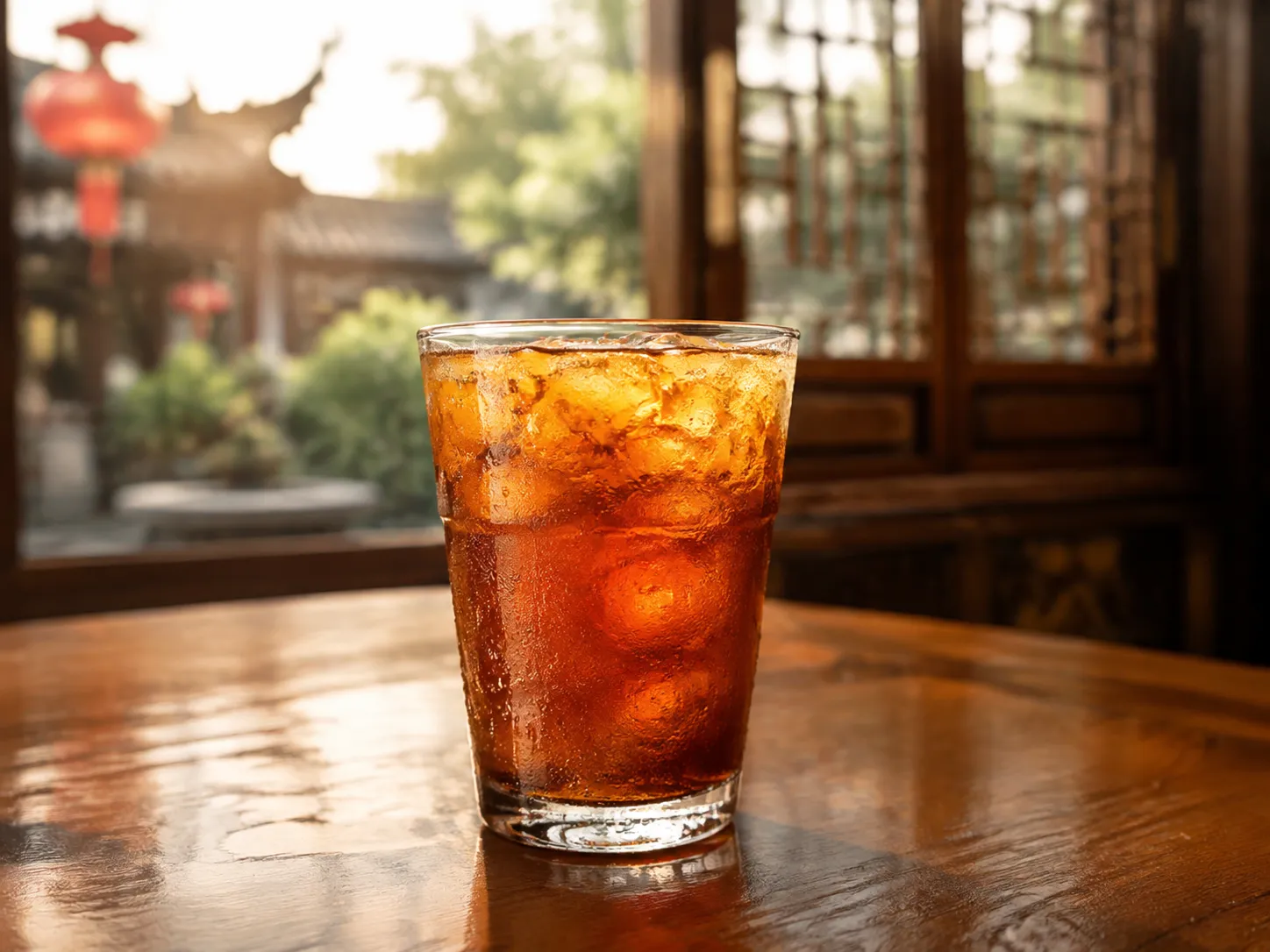 ¥3-8
¥3-8酸梅汤 · suān méi tāng
Sweet-tart chilled drink from smoked plums.
Tip:Beijing's classic summer cooler.
 ¥5-12
¥5-12凉茶 · liáng chá
Cooling herbal infusion from Guangdong.
Tip:Slightly bitter — a digestif after a heavy meal.
Start here
Pick the traveler you are and get a short list that works — no menu decoding required.
Never ordered before? Start with these crowd-pleasers.
Plenty of tofu, greens and rice noodles — just say 'sù shí'.
Chase the málà with Sichuan's boldest hits.
Skip noodles and soy sauce — these are naturally safe.
Mild, familiar and fun to eat — no surprises.
Look for the green 'qīng zhēn' sign, or start here.
The menu map
Six sections, in the same order, in almost every Chinese restaurant. Learn this once and no menu will ever look like a wall of characters again — expand each section to see what hides inside it.
Arrive within minutes — pre-made and dressed to order. They open the meal and are always shared family-style.
Sub-types: 凉拌 (liángbàn, tossed cold) · 卤 (lǔ, soy-braised) · 腌 (yān, pickled)
How to order
Order one cold dish to start while you read the rest of the menu.
The heart of the meal: stir-fried (炒), braised (烧) and steamed (蒸), arriving in sequence as cooked, not all at once.
Sub-types: 炒 (stir-fried) · 烧 (braised) · 蒸 (steamed) · 炸 (deep-fried)
How to order
Order one hot dish per person plus one to share. Mix spicy, mild and vegetable.
Rice, noodles or buns finish the meal. The north is wheat country, the south runs on rice. Cheap to over-order and take away.
Sub-types: 饭 (rice) · 面 (wheat noodles) · 粉 (rice noodles) · 馒头/包子 (buns)
How to order
Order staples last, after you see how much food is coming. Two people usually need one.
Either a light clear broth (common in Cantonese cooking) or a substantial peppery bowl. Not every region serves soup.
Sub-types: 清汤 (clear broth) · 羹 (thickened soup) · 酸辣 (hot and sour)
How to order
In Guangdong, soup arrives first. Elsewhere, one shared bowl is plenty.
Means 'touch the heart' — small steamed, fried or baked plates, a Cantonese brunch ordered by the basket (笼).
Sub-types: 蒸 (steamed) · 煎 (pan-fried) · 炸 (deep-fried) · 甜点 (sweets)
How to order
A basket is 3-4 pieces. One per person for a snack, two for a meal.
Tea is usually free, poured on arrival and refilled — tap two fingers to say thanks. Cold drinks are ordered separately.
Sub-types: 茶 (tea) · 酸梅汤 (sour plum) · 豆浆 (soy milk) · 奶茶 (milk tea)
How to order
Tap water isn't served. Ask for tea (free) or a bottled drink.
Regional schools
Chinese food is not one menu but eight regional schools. Spot the character on a sign or menu and you already know the flavors to expect — expand each one to learn its story, techniques and what to order.
Chuān · numbing, fiery, bold
China's most famous cuisine abroad, built on má (numbing peppercorn) and là (chili) — málà. Bold, fiery and savory, from chili bean paste, garlic and fermented flavors.
Techniques: Dry-frying (干煸) · water-boiling (水煮) · twice-cooking (回锅)
Cities: Chengdu, Chongqing
Try: Mapo tofu, kung pao chicken, hotpot
Ordering tip
Ask for 'wēi là' (mild) or 'bú yào là' (no spice). Most dishes can be dialed down.
Yuè · fresh, sweet, delicate
Guangdong's cuisine prizes freshness — 'eat in Guangzhou'. Light, clean flavors via steaming, poaching and quick stir-frying. Dim sum is its famous morning ritual.
Techniques: Steaming (蒸) · poaching (白灼) · roasting (烧腊)
Cities: Guangzhou, Hong Kong
Try: Char siu, har gow, wonton soup
Ordering tip
The safest starting point — mostly mild and light, with plenty of seafood and vegetables.
Lǔ · savory, seafood-forward
One of China's oldest, most influential cuisines, from the coastal north. Salty, savory, seafood-forward, with rich broths and precise knife work.
Techniques: Quick-frying (爆) · braising · broth-building
Cities: Qingdao, Jinan
Try: Jiaozi, sweet and sour carp
Ordering tip
Generous portions and savory depth. Dumplings here are a meal, not a side.
Sū · soft, sweet, precise
Refined lower-Yangtze cuisine: soft textures, gentle sweetness and knife art. Subtle and sweet-savory, like red-braised pork.
Techniques: Red-braising (红烧) · slow-stewing · fine slicing
Cities: Nanjing, Suzhou
Try: Xiaolongbao, yangzhou fried rice
Ordering tip
For delicate, slightly sweet flavors, this is your region. Xiaolongbao started here before Shanghai.
Xiāng · bright, sour, hot
Sichuan's spicier cousin — bright, sour, very hot, using fresh chilies plus smoked and cured foods. Mao's favorite red-braised pork comes from here.
Techniques: Smoking · pickling · chili stir-frying
Cities: Changsha
Try: Chili stir-fries, stinky tofu
Ordering tip
Hunan heat is direct, not numbing. Lessen it with 'shǎo fàng làjiāo'.
Zhè · clean, fresh, elegant
Elegant, clean Hangzhou cuisine: fresh, light, slightly sweet, favoring freshwater fish, bamboo and rice wine, with delicate presentation.
Techniques: Quick-steaming · wine-braising · gentle simmering
Cities: Hangzhou
Try: Dongpo pork, West Lake fish
Ordering tip
Dongpo pork is the star — rich but not spicy, an easy crowd-pleaser.
Mǐn · umami, broth-focused
Broth-obsessed and umami-rich, home of 'Buddha Jumps Over the Wall' and many seafood soups. Also invented shacha sauce and oolong tea.
Techniques: Soup-building · slow-simmering · seafood handling
Cities: Fuzhou, Xiamen
Try: Fish balls, oyster omelette
Ordering tip
Order a broth or soup — that's where Fujian cooking shines.
Huī · rustic, braised, earthy
Rustic mountain cuisine of wild herbs, cured ham and long braising. Earthier, less sweet, known for fermented 'stinky' specialties.
Techniques: Long braising · smoking · fermenting
Cities: Huangshan
Try: Stinky mandarin fish, hairy tofu
Ordering tip
An acquired taste. Try stinky mandarin fish with an open mind — aroma stronger than flavor.
Flavor guide
Six flavors cover almost the whole of Chinese cooking. Pick the one you want, learn what it means, and order straight from its short list.
辣椒的灼热,川湘的底色 · Chili heat, the Sichuan-Hunan backbone
The backbone of Sichuan and Hunan cooking. Dried chilies bring sharp heat, fresh chilies bright burn, chili oil a slow warmth.
Ordering tip
Ask for 'wēi là' or 'bú yào là'. Most kitchens can dial it down.
花椒的酥麻,川菜的灵魂 · Sichuan peppercorn tingle
Sichuan peppercorn's tingling, electric numbness — má. With chili it forms 'málà', unique to Chinese cooking, fading within seconds.
Ordering tip
Milder than it sounds. Pair with rice or a mild vegetable to reset.
食材本味,粤菜的讲究 · Fresh savor, the Cantonese ideal
The savory depth of good broth, fresh seafood and lightly cooked ingredients — the Cantonese and Fujian ideal, opposite of heavy sauce.
Ordering tip
Safest for beginners — light, fresh, rarely spicy. Order on day one.
糖色的甜,红烧与甜点 · Sweetness in braises and desserts
Sugar appears in desserts and savory dishes across Jiangsu, Zhejiang and Shanghai, balancing soy and vinegar — think red-braised pork.
Ordering tip
Dislike sweet meat? Ask 'bú yào tài tián'. Northern cuisines are less sweet.
清蒸清炒,肠胃友好 · Clean and light, easy on the stomach
Clean, light flavors via steaming, poaching and gentle broth — the comfort zone of Cantonese and Zhejiang cooking.
Ordering tip
Choose 'qīng dàn' dishes when easing in. Steamed fish and congee are classics.
烟火气里的浓郁香口 · The aroma of wok hei and roast
The aroma of 'wok hei' — smoky, charred perfume from very hot stir-frying — plus roasted meats and cumin skewers.
Ordering tip
Best eaten immediately, straight from the kitchen at peak aroma.
On the spot
Eight moves, six phrases and a handful of characters are all you need to eat like a regular — from the QR code to the tea charge to the bill.
Many menus have photos. Point and you are halfway there.
Most tables have a QR code. Scan with WeChat or Alipay for a menu with photos and prices.
Allergies and spice matter. Show the waiter a phrase instead of explaining.
One dish per person, plus one to share. Two people, three dishes.
A small 'tea fee' (chá wèi fèi), 2-5 RMB per person — covers tea, napkins, chopsticks. Normal, not a scam.
Dishes are shared. Many places give 'gōng kuài' (serving chopsticks) — use them when provided.
Raise a hand and call 'fú wù yuán' (waiter), or 'lǎo bǎn' (boss). Staff don't hover because tipping isn't expected.
Packing leftovers is normal — say 'dǎ bāo'. For the bill, say 'mǎi dān' or mime writing.
Why us
No ads, no sponsored spots, no affiliate tables. Just a menu built for the moment you sit down in front of one you cannot read.
No restaurant pays to be listed. Every dish earns its place on merit.
We recommend what locals actually order, not what gets promoted.
Typical mainland ranges, refreshed every season so you are not surprised.
The page and your order card still load without data. Nothing is uploaded.
Prices are typical mainland-China ranges and vary by city and restaurant 鈥?always double-check the menu on the day.
We built this after watching too many visitors stare at a wall of characters and order by pointing. The goal: give you the picture, name, price and phrase — so you already know what you want before you sit down.
Last updated: August 2026.
"Chengdu's gastronomy is recognized by UNESCO as a Creative City of Gastronomy — a formal acknowledgment of the depth and influence of Sichuan's culinary culture."
— UNESCO Creative Cities Network.en.unesco.org
"In Chinese dining, dishes are shared from the center of the table rather than served individually — a family-style tradition at the heart of the meal."
— Wikipedia, "Chinese cuisine".en.wikipedia.org
ChineseMenu is researched by an editorial team of long-time China residents — travel writers, Mandarin editors and food researchers — who verify dish names, pinyin and prices against real menus. Prices refresh quarterly; every recommendation is independent, with no paid placements.
The common questions travelers ask before planning a food trip through China — from paying and tipping to allergies, halal and chopsticks.
A shared name for many regional cuisines shaped by geography and climate — from numbing Sichuan to delicate Cantonese.
Start with Peking duck, xiaolongbao, mapo tofu, roujiamo, kung pao chicken and wonton soup, then follow the city guide.
Street snacks 8-30 RMB, casual meals 40-90 RMB per person, a full Peking duck dinner 120-220 RMB or more.
Pick busy stalls with fast turnover and high-heat cooking, drink bottled water, and carry allergy phrases in Chinese.
Buddhist restaurants, tofu, vegetable stir-fries, rice noodles and many dim sum work well. Say 'wǒ shì sù shí zhě' and look for the 'sù' sign.
Possible but tricky — soy sauce has wheat, and noodles, dumplings and buns are everywhere. Order steamed fish, rice, plain veg and rice noodles, and show a written gluten-free note.
Most Chinese food isn't halal, but Xi'an, Ningxia and Xinjiang have strong halal traditions. Look for the green 'qīng zhēn' (清真) sign; lamb, beef and wheat dishes dominate.
Peanuts, soy, wheat, sesame, shellfish and eggs appear constantly, and soy is nearly unavoidable. Carry a printed allergy card in Chinese and check with staff.
Use the phrase cards, point to a photo on this page, or show the Chinese text to staff.
Find picture menus, use a translation app camera, or show a dish name from this page. The cheat sheet above also helps.
Meals are shared. Cold dishes first, then hot dishes in sequence, then rice or noodles. Order one dish per person plus one to share.
A Cantonese brunch of small steamed, fried and baked plates from carts or a tick-box menu. Order tea first, then baskets of three to four: har gow, siu mai, char siu bao, egg tarts. Go before noon.
A shared pot of boiling broth where you cook raw ingredients. Start with a half-spicy, half-mild 'yuānyāng' pot and dip in sesame oil with garlic.
Sichuan, Cantonese, Shandong, Jiangsu, Hunan, Zhejiang, Fujian and Anhui — each tied to a region and its signature flavors.
No. Sichuan and Hunan are hot, but Cantonese, Jiangsu and Shandong are mostly mild or savory.
The north is wheat-based (noodles, dumplings, breads) and savory; the south is rice-based, lighter, fresher and more seafood-focused.
Jianbing, baozi, congee, youtiao, soy milk and noodles, often from street stalls for 5-15 RMB.
Almost everywhere takes WeChat Pay and Alipay by QR, both now accepting foreign cards. Cash works but is rare — carry some for small stalls. Set up a payment app before you arrive.
Say 'mǎi dān' (the bill) or make a writing gesture. Splitting is increasingly accepted — ask 'kěyǐ fēnkāi suàn ma?'. Tipping isn't expected.
Say 'bú yào wèijīng' (no MSG) and 'shǎo fàng yán' (less salt). Most kitchens will accommodate.
No — drink bottled or boiled water, and use it for brushing teeth if sensitive. Restaurants serve tea or bottled drinks.
Use Dianping, seek busy local spots with queues, and avoid tourist-trap places near attractions. Fast-turnover stalls usually mean fresh, safe food.
Don't stand them upright in rice, point with them, or spear food. Rest them on the holder or across your bowl.
'Gānbēi' means bottoms up, not just cheers. Lower your glass below others' when toasted. Decline politely with 'wǒ bù néng hē jiǔ'.
Skip offal, very spicy málà hot pot, and stinky tofu or mandarin fish until you're adventurous. Start with Peking duck, xiaolongbao, char siu, fried rice.
Beijing, Chengdu, Xi'an and Shanghai each deserve a stop; Guangzhou and Chongqing reward focused food days.
Plan 2-4 days: 2-3 for Shanghai or Guangzhou, 3-4 for Beijing, 3-5 for Chengdu.
No. Tipping isn't expected in restaurants or taxis, and some places may refuse it.
"Chinese cuisine is an important part of Chinese culture and includes many regional traditions, the most influential being the Eight Great Cuisines of China."
— Wikipedia, "Chinese cuisine".en.wikipedia.org